Long Covid vs Post-Vaccine Syndrome: What’s the Difference?

Long Covid vs Post-Vaccine Syndrome: What’s the Difference?

If you’re experiencing persistent fatigue, brain fog, heart palpitations, or exercise intolerance months after either COVID-19 infection or COVID-19 vaccination, you’re not alone — and you’re probably confused about what’s actually happening in your body.

At Leading Edge Clinic, we’ve treated over 3,500 patients with spike protein-related illness. The single most common question we hear is: “Is this Long Covid, or is this from the vaccine?”

The answer matters — not because the treatments are dramatically different (they’re not), but because understanding what’s driving your symptoms helps you find the right care and validates your experience when so many providers are dismissive.

Here’s what you need to know.

The Core Similarity: Both Are Spike Protein Illnesses

Before we talk about differences, let’s establish the most important thing: Long Covid and Post-Vaccine Syndrome share the same underlying pathology.

Both conditions are driven by the SARS-CoV-2 spike protein — the component of the virus responsible for binding to human cells and triggering immune response. In Long Covid, the spike protein comes from the virus itself. In Post-Vaccine Syndrome, it comes from the mRNA or adenovirus vaccines designed to teach your immune system to recognize that same spike protein.

The spike protein, regardless of its source, can cause:

  • Microclotting — tiny blood clots that reduce oxygen delivery to tissues and organs
  • Mast Cell Activation Syndrome (MCAS) — immune cells releasing histamine and inflammatory mediators inappropriately
  • Immune dysregulation — autoimmune reactions, persistent inflammation, and impaired pathogen clearance
  • Mitochondrial dysfunction — reduced cellular energy production, leading to profound fatigue and post-exertional malaise (PEM)
  • Autonomic nervous system dysfunction — POTS (Postural Orthostatic Tachycardia Syndrome), blood pressure instability, and temperature dysregulation

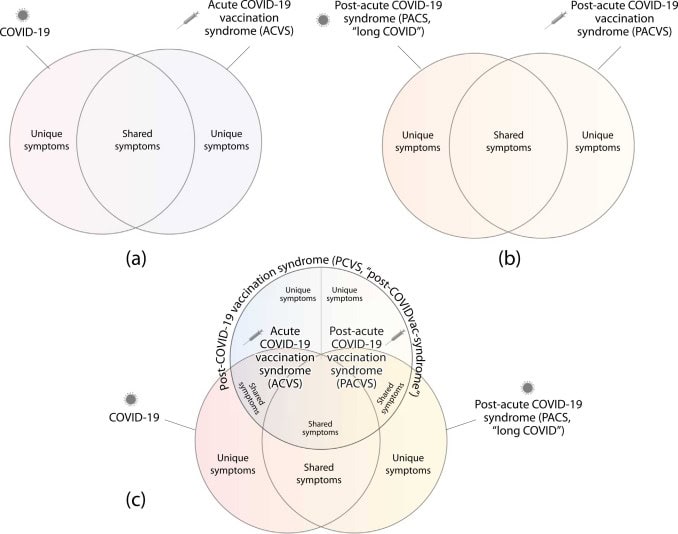
This is why the symptom overlap between Long Covid and Post-Vaccine Syndrome is so extensive. You’re dealing with the same underlying mechanisms.
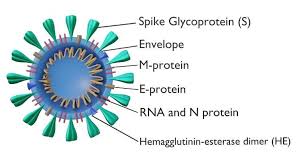
Diagram of Spike Glycoprotein; envelope, m-protein, e-protein, rna & n protein

Key Differences Between Long Covid and Post-Vaccine Syndrome

While the pathophysiology overlaps, there are meaningful differences in how these conditions develop, how they’re perceived by the medical community, and what patients typically experience.

1. Trigger Event

Long Covid:
Symptoms persist for 3+ months following acute SARS-CoV-2 infection. Most Long Covid patients can point to a specific COVID-19 illness — sometimes mild, sometimes severe — that preceded their chronic symptoms.

Post-Vaccine Syndrome (PACVS):
Symptoms develop days, weeks, or even months after receiving an mRNA (Pfizer, Moderna) or adenovirus (J&J, AstraZeneca) COVID-19 vaccine. Some patients experience immediate reactions (within hours to days), while others notice a gradual onset of symptoms over weeks.
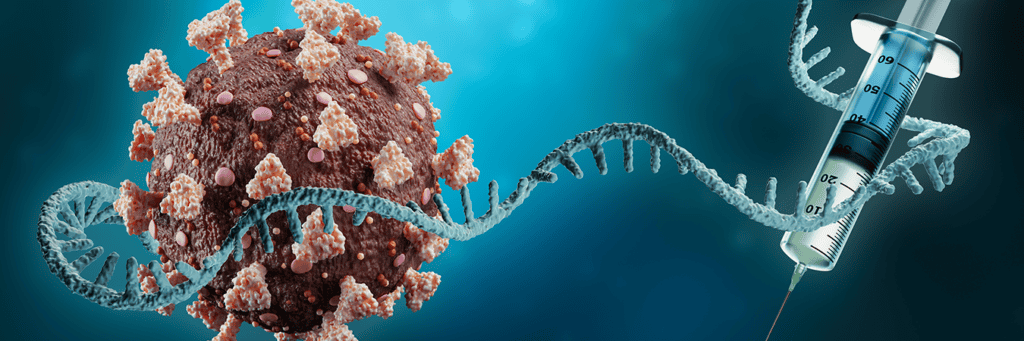
Spike protein and mRNA vaccine


2. Onset Timing

Long Covid:
By definition, Long Covid symptoms last at least 3 months post-infection. Many patients experience a biphasic pattern — they recover from the acute infection, feel better for a period, then crash weeks later with persistent symptoms.

Post-Vaccine Syndrome:
Onset can be more variable. Some patients develop symptoms immediately after vaccination (within 24-72 hours). Others experience a delayed onset, with symptoms appearing 2-4 weeks post-vaccination, or even after the second or third dose rather than the first.


3. Prevalence

Long Covid:
Estimates vary widely, but research suggests 10-30% of people infected with SARS-CoV-2 develop some form of Long Covid. The condition is now widely recognized (though still poorly understood) by mainstream medicine.

Post-Vaccine Syndrome:
Exact prevalence is unknown, many news outlets report Post-Vaccine Syndrome appears to be less common than Long Covid. However, underreporting is a significant issue — many patients who develop symptoms post-vaccination are told their symptoms are unrelated, or due to Covid Infection, which discourages official reporting and makes true prevalence difficult to estimate.


4. Medical Recognition and Acceptance

Long Covid:
Mainstream medicine now acknowledges Long Covid as a real condition. The NIH has funded Long Covid research, the CDC tracks it, and most physicians — even if they don’t know how to treat it — at least believe it exists.

Post-Vaccine Syndrome:
This is where the experiences of Long Covid and Post-Vaccine Syndrome patients diverge most sharply. Post-Vaccine Syndrome is frequently dismissed by conventional medicine. Patients are often told:

  • “The vaccine is safe and effective — your symptoms can’t be related.”
  • “It’s anxiety.”
  • “It’s a coincidence.”
  • “Your labs are normal, so nothing is wrong.”

For the first time, mainstream medicine has begun to acknowledge Post-Vaccine Syndrome. A 2024 Yale study formally recognized what our patients have known for years: vaccine-associated Long Covid-like illness is real, measurable, and distinct from Long Covid caused by infection.

But clinical recognition still lags far behind the research. Most Post-Vaccine Syndrome patients spend months or years seeking validation before finding a provider who takes them seriously.


5. Symptom Presentation

The symptoms themselves are remarkably similar, but there are some patterns we’ve observed across thousands of patients:

Long Covid patients more commonly report:

  • Loss of taste or smell (especially early in the pandemic)
  • Respiratory symptoms (shortness of breath, chronic cough)
  • Gradual, progressive worsening over months

Post-Vaccine Syndrome patients more commonly report:

  • Sudden, acute onset of symptoms (within days of vaccination)
  • Severe neurological symptoms (neuropathy, tremors, cognitive impairment)
  • Cardiovascular symptoms (chest pain, pericarditis, myocarditis-like symptoms)
  • Menstrual irregularities (particularly after mRNA vaccines)

These are tendencies, not rules. We’ve seen every presentation in both patient populations. The symptom overlap is far more significant than the differences.

Symptom Comparison: Long Covid vs Post-Vaccine Syndrome

The table below shows which symptoms are common to both conditions, and which tend to be more prominent in one versus the other. Remember: these are patterns we’ve observed across thousands of patients, not absolute rules. Every patient is unique.

Symptom Long Covid Post-Vaccine Syndrome Overlap Notes
Severe Fatigue Very High Present in >90% of both populations
Brain Fog Very High Cognitive impairment, memory issues, difficulty concentrating
Post-Exertional Malaise (PEM) Very High Symptom worsening after physical or mental exertion
POTS / Dysautonomia Very High Heart rate increases, dizziness upon standing
Heart Palpitations Very High Often worse at night or with positional changes
Shortness of Breath ✓✓ High Slightly more common in Long Covid
Exercise Intolerance Very High Inability to return to pre-illness activity levels
Sleep Disturbances High Insomnia, unrefreshing sleep, sleep maintenance issues
Anxiety / Depression High Can be physiological (histamine, inflammation) not just psychological
Headaches / Migraines High Often treatment-resistant
Neuropathy / Nerve Pain ✓✓ High Tingling, burning, numbness; more acute in PACVS
Tremors ✓✓ Moderate More commonly reported in PACVS patients
Chest Pain ✓✓ High May indicate pericarditis or myocarditis (more common post-vaccine)
GI Issues High Nausea, diarrhea, constipation, GERD
Tinnitus (Ringing in Ears) Moderate Persistent ringing or buzzing
Loss of Taste/Smell ✓✓ Moderate Much more common in Long Covid, especially early pandemic
Skin Rashes / Hives Moderate Often MCAS-related
Temperature Dysregulation High Inability to regulate body temperature, chills, sweats
Menstrual Irregularities ✓✓ High Heavy periods, irregular cycles; more pronounced post-mRNA vaccines
Hair Loss Moderate Telogen effluvium pattern
Joint Pain High Migratory or persistent arthralgia
Muscle Pain High Myalgia, often widespread
Vision Changes Moderate Blurred vision, light sensitivity, floaters

Key:
✓ = Symptom present
✓✓ = Symptom more prominent in this condition
Overlap: Very High (>80% of both populations), High (60-80%), Moderate (40-60%)

What This Table Shows

The overwhelming similarity in symptom presentation is what makes distinguishing Long Covid from Post-Vaccine Syndrome so difficult — and why your timeline and trigger event (infection vs. vaccination) are often the only reliable differentiators.

If you’re experiencing multiple symptoms from this table and conventional medicine has told you “nothing is wrong” because your labs are normal, you’re not imagining it. These are real, measurable manifestations of spike protein pathology — and they require specialized treatment.

Why the Overlap Exists: Spike Protein Pathology

Whether spike protein enters your body via infection or vaccination, it triggers similar downstream effects:

Microclotting

The spike protein binds to ACE2 receptors on the endothelium (blood vessel lining), causing inflammation and microclot formation. These tiny clots reduce blood flow to tissues, leading to:

  • Brain fog (reduced oxygen to brain)
  • Exercise intolerance (reduced oxygen to muscles)
  • Shortness of breath (impaired gas exchange in lungs)
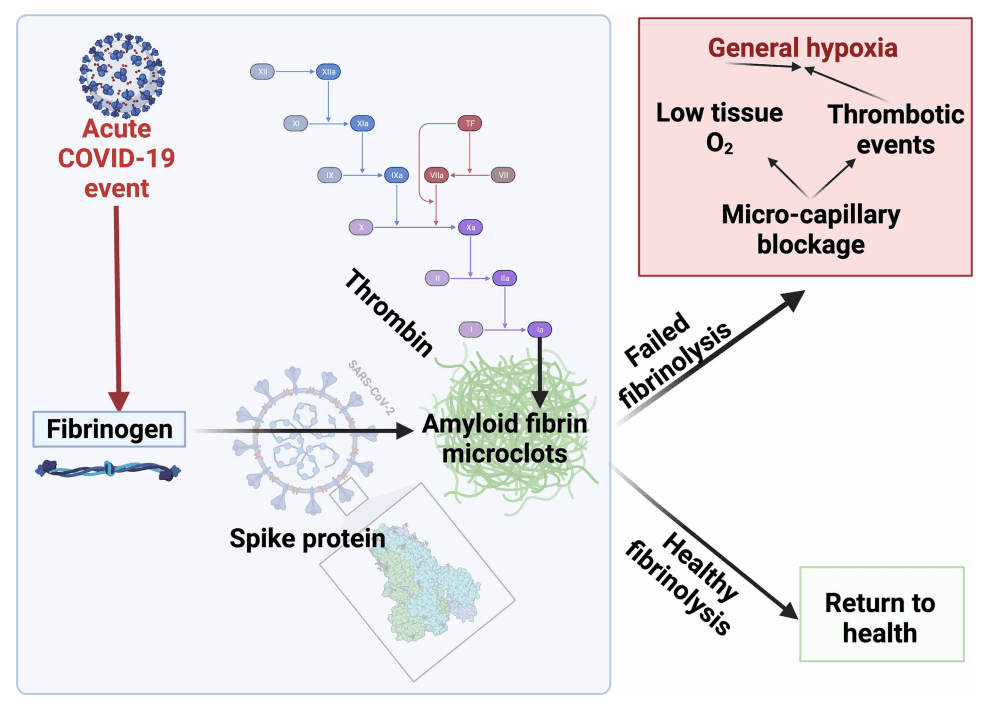
 

Amyloid Fibrin Microclot

Mast Cell Activation

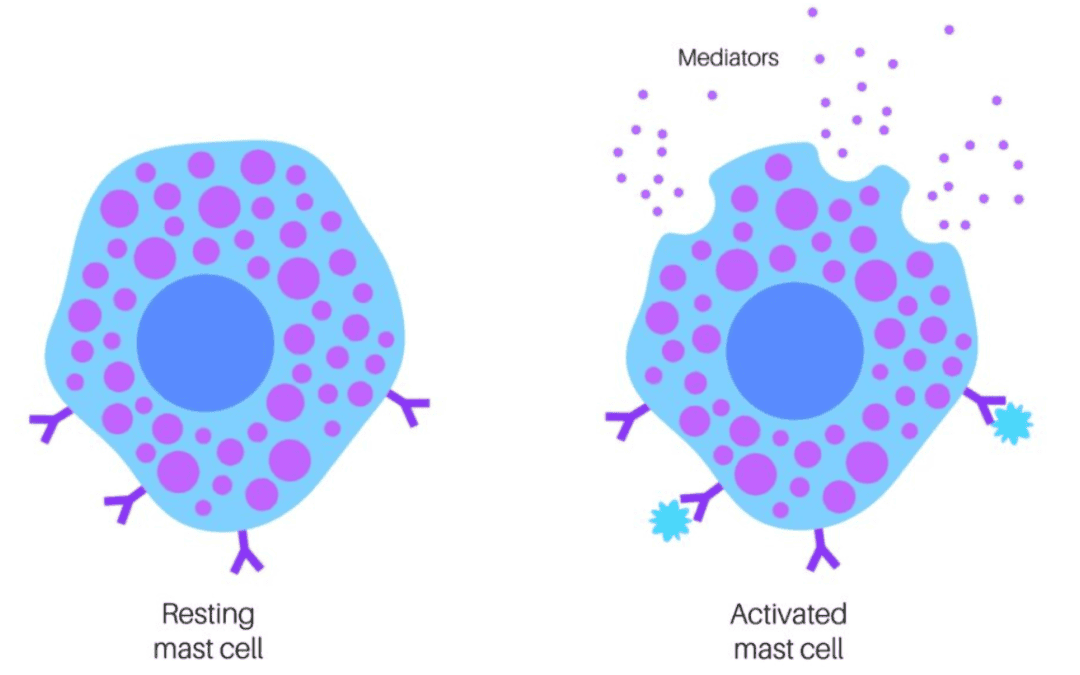
Spike protein triggers mast cells to degranulate, releasing histamine and other inflammatory mediators. This causes:

  • Flushing
  • Heart palpitations
  • Digestive issues
  • Skin reactions
  • Anxiety and hypervigilance (histamine affects the brain)
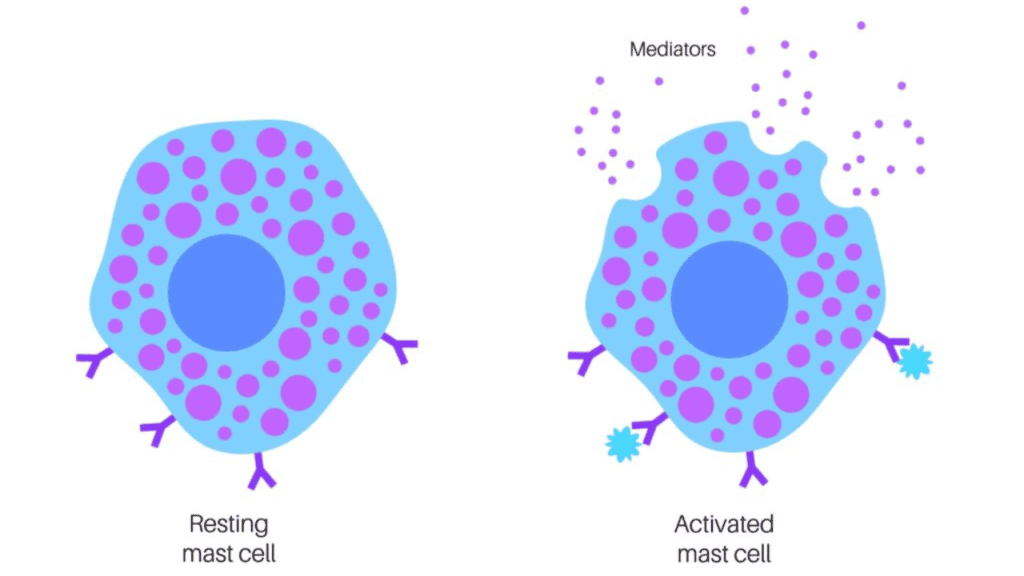
 

A basic diagram showing a mast cell in its rested state, versus an activated mast cell releasing mediators, as well as other antigens such as histamines


Immune Dysregulation

The immune system becomes overactive in some areas (autoimmunity, persistent inflammation) and underactive in others (viral reactivation of Epstein-Barr, HHV-6, etc.). The lack of balance in the immune system can be referred to as “dysregulation”, rather than only referring to it as oceractivation or underactivation. The end result is typically immune exhaustion, and can manifest as lower CD4 T-Cell counts).
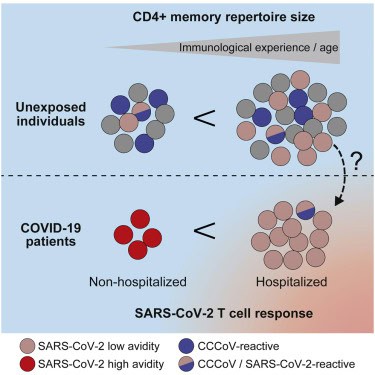
CD4 T-Cell Count in Covid Patients

Mitochondrial Dysfunction

Spike protein damages mitochondria — the energy-producing organelles in your cells — leading to:

  • Severe fatigue
  • Post-exertional malaise (PEM)
  • Exercise intolerance
  • Cognitive dysfunction

This shared pathology is why treatment approaches for Long Covid and Post-Vaccine Syndrome are fundamentally the same.

Treatment Implications: Why the Distinction Matters (and Doesn’t)

Why It Doesn’t Matter Much for Treatment

The good news: if you have spike protein illness, the treatment approach is similar regardless of the source.

Both conditions respond to protocols that address:

  • Spike protein clearance
  • Microclotting reduction
  • MCAS stabilization
  • Inflammatory response reduction
  • Clearance of senescent cells
  • Cell Danger Response modulation
  • Immune modulation
  • Mitochondrial support
  • Viral reactivation management
  • Foundational health approaches

At Leading Edge Clinic, we use the same foundational approaches for both Long Covid and Post-Vaccine Syndrome patients. The personalization comes from your specific symptom presentation, not from which spike protein source triggered your illness.

Why It Does Matter

Even though treatment is similar, the distinction matters for three reasons:

1. Finding a Provider Who Believes You

Long Covid patients can usually find a provider willing to acknowledge their condition. Post-Vaccine Syndrome patients face significantly more dismissal. Knowing what you’re dealing with helps you seek care from providers (like us) who specialize in both.

2. Understanding Your Timeline

Post-Vaccine Syndrome patients often experience more acute, sudden onset — which can be frightening. Knowing this is a recognized pattern helps contextualize your experience.

3. Preventing Re-Exposure

Both Long Covid and Post-Vaccine Syndrome patients need to be cautious about reinfection (which can worsen symptoms). We know that continuous spike protein exposure will further trigger related symtpoms, and increase the number of senescent cells. Understanding your trigger helps you make informed decisions about future exposures.

How Leading Edge Clinic Treats Both Conditions

We’ve treated over 3,500 patients with spike protein illness — both Long Covid and Post-Vaccine Syndrome. Here’s how we approach care:

Comprehensive Initial Evaluation

We don’t care whether your spike protein came from infection or vaccination. We care about:

  • Which body systems are affected (cardiovascular, neurological, immune, etc.)
  • The severity of your symptoms
  • Your specific symptom triggers
  • Any viral reactivations or co-infections
  • Your prior treatment history and what’s worked (or hasn’t)

Personalized Treatment Plans

Our protocols address:

  • Spike protein burden reduction
  • Microclotting and vascular inflammation
  • Mast cell stabilization (if MCAS is present)
  • Immune system rebalancing
  • Mitochondrial function restoration
  • System inflammation reduction
  • Cell Danger Response modulation
  • Clearing senescent cells
  • Dealing with prion-like domains
  • Symptom management (POTS, brain fog, fatigue, etc.)

Proactive RN Follow-Up

You’re not left on your own between appointments. Our Registered Nurses check in every other week to monitor your response, adjust protocols, and escalate concerns to providers immediately if something isn’t working.

Telehealth in All 50 States

We see patients nationwide via secure telehealth. You don’t need to live near us to receive specialized care.

Learn more about our approach:

The Bottom Line

Long Covid and Post-Vaccine Syndrome are not identical conditions, but they share the same underlying pathology: spike protein-driven illness.

The key differences are:

  • Trigger: Infection vs. vaccination
  • Onset timing: Gradual vs. often more acute
  • Medical recognition: Acknowledged vs. frequently dismissed

But the similarities far outweigh the differences:

  • Both involve spike protein pathology
  • Both cause microclotting, MCAS, immune dysregulation, chronic Cell Danger Response, senescent cell cycle, mitochondrial dysfunction
  • Both respond to similar treatment protocols
  • Both require specialized care from providers who understand spike protein illness

If you’re struggling with persistent symptoms after COVID-19 infection or vaccination, you’re not imagining it. You’re not alone. And there are providers who can help.

Suspect you have Long Covid or Post-Vaccine Syndrome?
Register to become a patient or learn more about our approach.

Frequently Asked Questions


Can you have both Long Covid and Post-Vaccine Syndrome?

Yes. Some patients develop Long Covid from an initial infection, then experience worsening symptoms after vaccination. Others develop Post-Vaccine Syndrome first, then experience symptom escalation after a subsequent COVID-19 infection. The spike protein exposures are cumulative, as is the build up of senescent cells

How do I know which one I have?

The timeline is your best clue. If your symptoms started within days to weeks to months of vaccination (and you hadn’t recently had COVID), it’s likely Post-Vaccine Syndrome. If symptoms followed a documented COVID infection and persisted for months, it’s likely Long Covid. If you’ve had multiple exposures (infection + vaccines), you may have elements of both.

Will my doctor test me to determine which one it is?

There’s no single test that definitively distinguishes Long Covid from Post-Vaccine Syndrome. Diagnosis is clinical — based on your history, timeline, and symptom pattern. Some providers order microclot testing, inflammatory markers, or immune panels, but these show similar abnormalities in both conditions.

Does it matter for insurance coverage?

In the U.S., both conditions are generally treated the same by insurance (though coverage for integrative treatments is often limited regardless). The diagnosis code used may vary, but treatment coverage depends more on the specific interventions prescribed than on whether the spike protein came from infection or vaccination.

Are the outcomes different for Long Covid vs. Post-Vaccine Syndrome?

We don’t have enough long-term data to say definitively. Anecdotally, we have seen Post-Vaccine Syndrome patients typically have more severe presentations, with a longer road to recovery. However, this isn’t always the case. The biggest predictor of outcome isn’t the spike protein source — it’s how quickly patients receive appropriate treatment and how severe their initial presentation was.

About the Author:
This article was written by the clinical team at Leading Edge Clinic, which has treated over 3,500 patients with Long Covid, Post-Vaccine Syndrome, and related spike protein illnesses. Our providers include Dr. Pierre Kory (MD, MPA), Scott Marsland (FNP-C), India Scott (FNP-C), and other specialists in complex chronic illness.

Medical Disclaimer:
This article is for educational purposes only and is not a substitute for personalized medical advice. If you’re experiencing persistent symptoms after COVID-19 infection or vaccination, please consult with a healthcare provider experienced in treating spike protein-related illness.
MCAS and Long Covid: The Connection & Treatment Options

MCAS and Long Covid: The Connection & Treatment Options

What is MCAS?

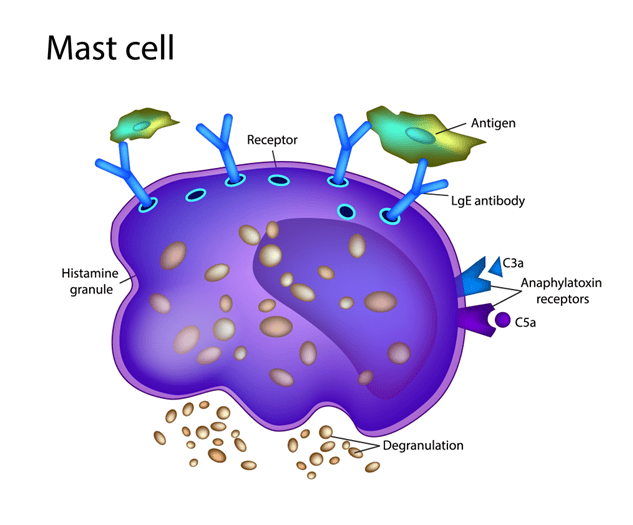
Mast Cell Activation Syndrome (MCAS) is a complex immune system disorder where mast cells—a type of white blood cell—release excessive amounts of chemical mediators like histamine, tryptase, and prostaglandins. These chemicals trigger widespread symptoms affecting multiple organ systems.

Unlike mastocytosis, where there’s an abnormal proliferation of mast cells, MCAS involves normal numbers of mast cells that behave abnormally, becoming hyperactive and releasing mediators inappropriately.


Diagram of a mast cell with antigen receptors, anaphylatoxin receptors, histamine granules, and degranulation


Key Characteristics of MCAS:

  • Multi-system involvement: Symptoms affect skin, gastrointestinal, cardiovascular, respiratory, and neurological systems
  • Episodic nature: Symptoms can come and go, often triggered by specific factors
  • Variable presentation: No two MCAS patients present exactly the same way
  • Response to treatment: Symptoms typically improve with mast cell stabilizers and antihistamines

____


The Link Between MCAS and Long Covid

The connection between MCAS and Long Covid (Post-Acute Sequelae of COVID-19 or PASC) and Post-Vaccine Syndrome has become increasingly recognized in the medical community. Research suggests that **30-50% of Long Covid patients** may have MCAS or MCAS-like symptoms.

Why Does COVID-19 Trigger MCAS?

Several mechanisms explain how SARS-CoV-2 infection can lead to mast cell activation:

1. Direct Viral Activation
The SARS-CoV-2 and MRNA COVID-19 vaccine spike protein can directly bind to and activate mast cells, causing them to degranulate and release inflammatory mediators even after the acute infection has resolved.

2. Immune System Dysregulation
COVID-19 and mRNA COVID-19 vaccine spike protein can dysregulate the immune system, leaving mast cells in a hyperreactive state. This persistent immune activation continues long after viral clearance.

3. Microclot Formation
Emerging research shows that microclots and endothelial dysfunction in Long Covid and Post-Vaccine Syndrome may trigger mast cell activation as part of the inflammatory response.

4. Autonomic Dysfunction
POTS (Postural Orthostatic Tachycardia Syndrome) and other forms of dysautonomia common in Long Covid and Post-Vaccine Syndrome can trigger mast cell degranulation, creating a vicious cycle.

5. Persistent Spike Protein
Studies suggest spike protein may persist in tissues for months after infection or vaccination, providing ongoing stimulation to mast cells.

The Overlap: MCAS and Long Covid Symptoms

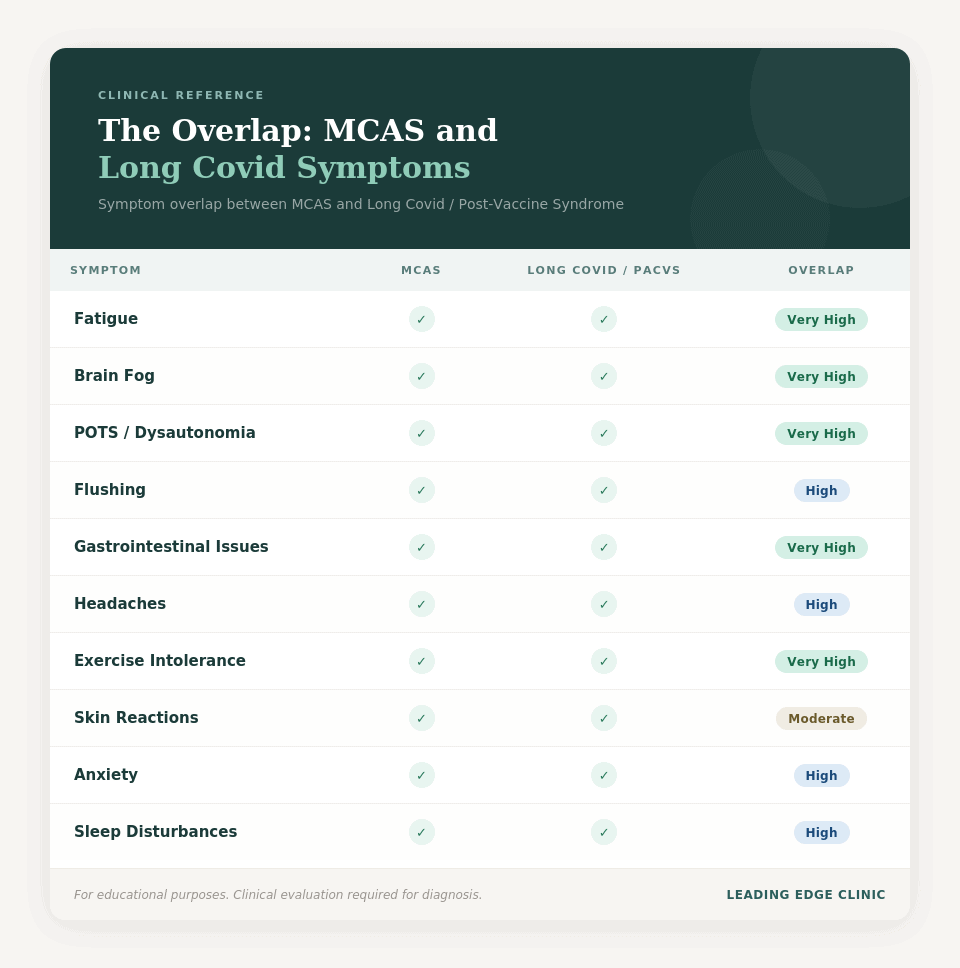
The symptom overlap between MCAS and Long Covid/Post-Vaccine Syndrome is striking:

| Symptom | MCAS | Long Covid/Post-Vaccine Syndrome | Overlap |

| Fatigue | ✓ | ✓ | Very High |
| Brain Fog | ✓ | ✓ | Very High |
| POTS/Dysautonomia | ✓ | ✓ | Very High |
| Flushing | ✓ | ✓ | High |
| Gastrointestinal Issues | ✓ | ✓ | Very High |
| Headaches | ✓ | ✓ | High |
| Exercise Intolerance | ✓ | ✓ | Very High |
| Skin Reactions | ✓ | ✓ | Moderate |
| Anxiety | ✓ | ✓ | High |
| Sleep Disturbances | ✓ | ✓ | High |

A table that shows symptom overlap between Mast Cell Activation Syndrome and Long Haul Covid; such as fatigue, brain fog, POTS/dysautonomia, flushing, gastrointestinal issues, headaches, exercise intolerance, skin reactions, anxiety, and sleep disturbances


This overlap makes MCAS treatment a crucial component of Long Covid and Post-Vaccine Syndrome care.

____


MCAS Symptoms in Long Covid Patients

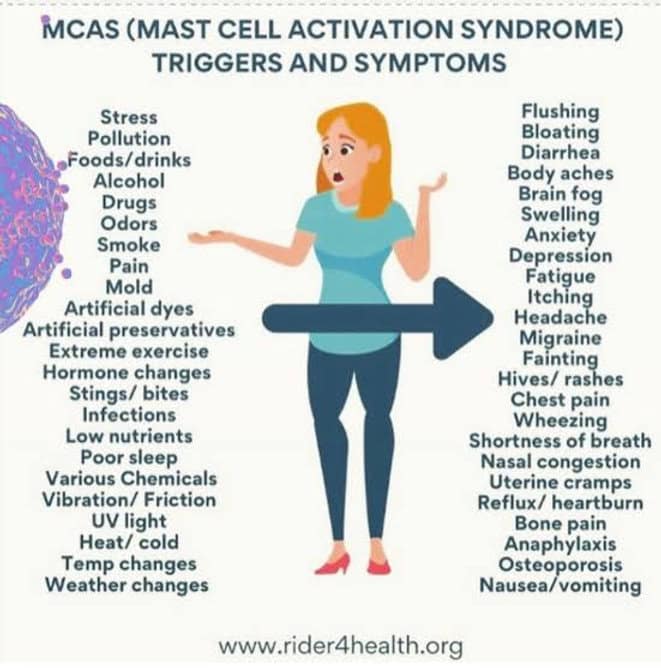
MCAS in the context of Long Covid and Post-Vaccine Syndrome presents with a constellation of symptoms that can be confusing and debilitating. Understanding these symptoms is the first step toward proper diagnosis and treatment.


List of MCAS triggers and subsequent symptoms


Common MCAS Symptoms in Long Covid:


Cardiovascular Symptoms:

  • Rapid heart rate (tachycardia), especially upon standing
  • Blood pressure fluctuations (both high and low)
  • Palpitations
  • Chest discomfort or pain
  • Flushing episodes (face, neck, chest)
  • Temperature dysregulation
  • Endothelial dysfunction and inflammation

Gastrointestinal Symptoms:

  • Nausea and vomiting
  • Abdominal pain or cramping
  • Diarrhea or constipation (or alternating)
  • Bloating and distension
  • Food intolerances (new or worsening)
  • Reflux and heartburn

Neurological Symptoms:

  • Brain fog and cognitive dysfunction
  • Difficulty concentrating
  • Memory problems
  • Headaches or migraines
  • Dizziness and lightheadedness
  • Tingling or numbness (peripheral neuropathy)
  • Anxiety and panic attacks

Dermatological Symptoms:

  • Hives (urticaria)
  • Itching without visible rash
  • Flushing
  • Skin sensitivity
  • Easy bruising
  • Rashes


Respiratory Symptoms:

  • Shortness of breath
  • Wheezing
  • Throat tightness or swelling sensation
  • Nasal congestion
  • Post-nasal drip

Musculoskeletal Symptoms:

  • Joint pain
  • Muscle aches
  • Bone pain
  • Generalized body aches

Systemic Symptoms:

  • Severe fatigue
  • Post-exertional malaise (PEM)
  • Exercise intolerance
  • Sleep disturbances
  • Temperature sensitivity
  • Chemical sensitivities


Triggers Common in Long Covid MCAS:

Understanding your triggers is essential for managing MCAS. Common triggers include:

Environmental:

  • Temperature changes (especially heat)
  • Strong scents or fragrances
  • Chemicals and cleaning products
  • Air pollution
  • Mold exposure

Dietary:

  • High-histamine foods (aged cheese, fermented foods, alcohol)
  • Histamine-releasing foods (citrus, tomatoes, strawberries)
  • Food additives and preservatives
  • Processed foods

Physical:

  • Exercise or physical exertion
  • Stress (physical or emotional)
  • Sleep deprivation
  • Infections
  • Menstrual cycle changes

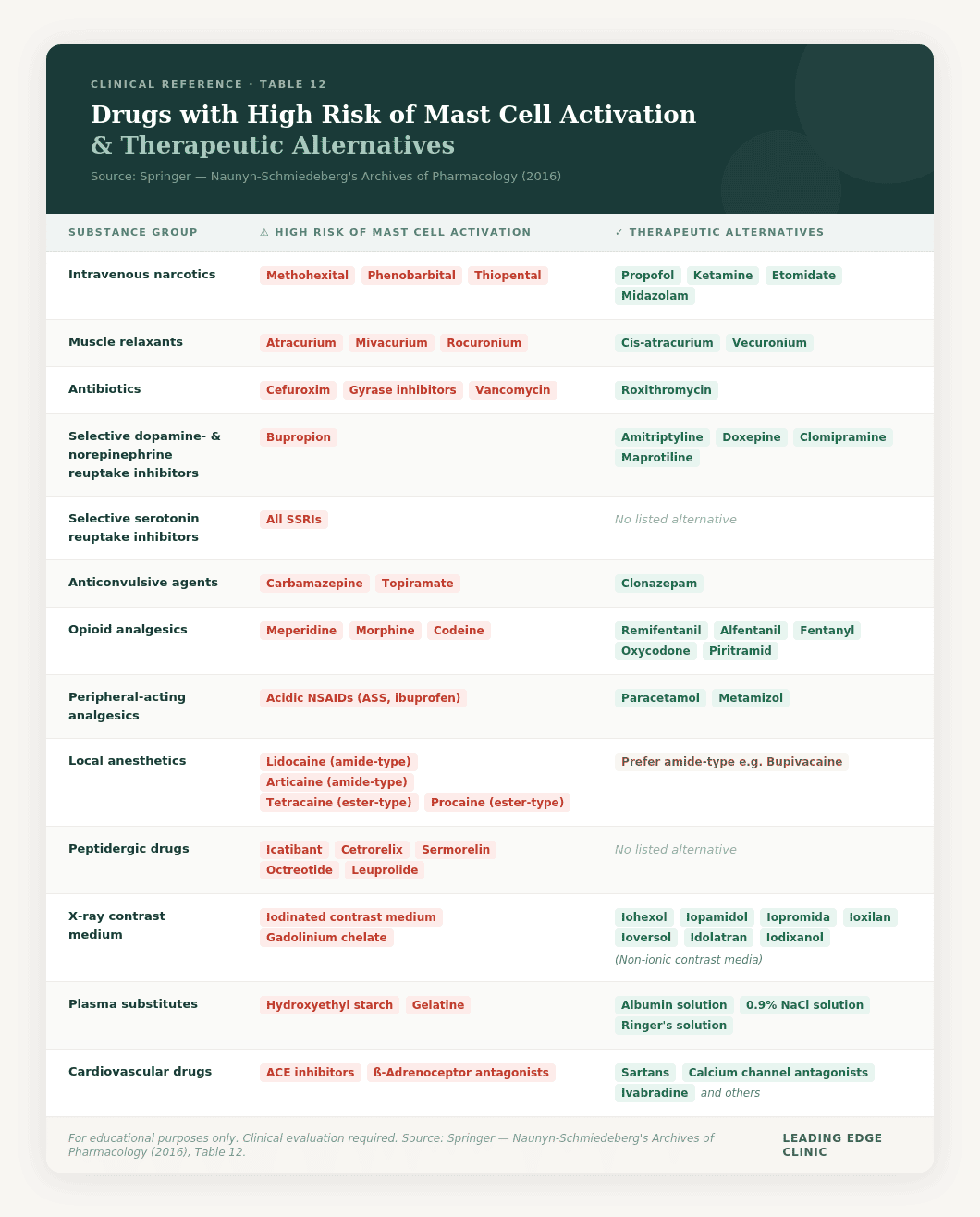
Medications:


The last one is tricky and represents some of the challenging clinical judgments we must make. For example, Iliac Venous Compressions is a common condition seen in our Long Haul Covid and Post-Vaccine Syndrome patients. The endothelial dysfunction and inflammation leads to anatomically predisposed patients to developing common left iliac compressions that greatly reduce venous return flow. It is a double-edge sword because venous insufficiency and blood pooling then worsen MCAS.

To diagnose Iliac Venous Compression, patients must receive a specialized MR-Venogram protocol developed by our colleague and IVC expert, Dr. Brooke Spencer. This requires gaddolinium-based contrast agents, which do not come without risk. However, in many cases, the potential benefit of identifying and treating an Iliac Venous Compression may greatly outweight the risk of the contrast dye. There are also steps that can be taken to prevent MCAS reactions.


Table of drugs with high risk of mast cell activation by substance group, with therapeutic alternatives — source Springer 2016

____

How MCAS is Diagnosed

Diagnosing MCAS, especially in the context of Long Covid and Post-Vaccine Syndrome, can be challenging. There’s no single definitive test, and diagnosis typically requires a combination of clinical evaluation and laboratory findings.

Diagnostic Criteria

According to consensus criteria, MCAS diagnosis requires:

1. Clinical Symptoms

  • Recurrent or chronic symptoms involving at least 2 organ systems
  • Symptoms consistent with mast cell mediator release

2. Laboratory Evidence

  • Elevated tryptase, histamine, or other mast cell mediators during symptomatic episodes
  • OR elevation of 20% above baseline tryptase

3. Response to Treatment

  • Improvement with mast cell stabilizers, antihistamines, or other MCAS-directed therapy

Often, we only use criteria 1. and 3. because it is the most clinically and financially efficient way to help patients.


Laboratory Tests for MCAS:


During a Flare (Symptomatic Testing):

These tests are most useful when done during active symptoms:

  • Serum Tryptase – Most reliable MCAS marker
  • 24-hour Urine Tests:
    • N-methylhistamine
    • Prostaglandin D2 (PGD2)
    • Leukotriene E4
  • Plasma Histamine (difficult to measure accurately)
  • Chromogranin A

Baseline Testing:

  • Baseline Serum Tryptase – Establishes your personal baseline
  • Complete Blood Count (CBC) – Rules out other conditions
  • Comprehensive Metabolic Panel
  • Vitamin D levels (often low in MCAS)


Challenges in Diagnosing MCAS in Long Covid:

  1. Timing Issues: Mediator levels must be checked during symptoms, which requires careful planning
  2. Test Availability: Not all labs offer comprehensive MCAS testing
  3. Overlapping Conditions: Long Covid involves multiple conditions that can mimic MCAS
  4. Normal Results: Some MCAS patients have normal lab values but clear clinical symptoms


Clinical Diagnosis:

At Leading Edge Clinic, we often make a clinical diagnosis of MCAS when:

  • Patient has characteristic multi-system symptoms
  • Symptoms are episodic and triggered
  • There’s a clear temporal relationship with COVID-19 infection
  • Symptoms respond to MCAS treatment
  • Even if laboratory confirmation is not obtained

This pragmatic approach allows us to begin treatment without delay, which can be life-changing for patients.

____

Why MCAS Treatment Requires Specialized Clinical Care

Understanding MCAS is the first step. Treating it effectively is a different matter entirely — and one that requires experienced clinical guidance rather than self-directed protocols.

MCAS Treatment Is Highly Individualized

No two MCAS patients present identically, and more importantly, no two MCAS patients respond identically to treatment. What stabilizes one patient’s mast cells can trigger a significant flare in another. The same antihistamine that brings one patient relief can worsen symptoms in someone with a slightly different presentation or underlying trigger.

Like Long Haul Covid and Post-Vaccine Syndrome, MCAS is not a condition where a supplement list or a protocol found online translates reliably from one person to the next. The variables involved — trigger identification, mediator patterns, comorbidities like dysautonomia or microclotting, and the interaction between MCAS and other spike protein pathologies — require careful, individualized assessment before any intervention is introduced.

The Risk of Self-Directed Treatment

Many patients with Long Covid and Post-Vaccine Syndrome come to us after months or years of attempting to manage MCAS on their own, often based on protocols circulating in patient communities. A common pattern we see:

  • Initial improvement followed by an unexpected flare
  • Worsening of symptoms after adding supplements that are widely recommended online
  • New sensitivities developing as a result of unguided interventions
  • Delayed recovery because foundational issues — microclotting, viral reactivation, mitochondrial dysfunction — were never addressed alongside the MCAS
  • Worst case scenario: a severe acute medical episode, such as a thrombotic event or anaphylactic event

MCAS rarely exists in isolation in spike protein-related illness. Treating it without addressing the broader clinical picture often means treating a symptom of a deeper problem rather than the problem itself. An example of potentially dangerous self-treatment might be cold therapy. Cold therapy is fantastic for stabilizing mast cells naturally. However, with Long Covid and Post-Vaccine Syndrome patients where thrombotic events are already a concern, cold therapy can potentially be dangerous due to rapid vasoconstriction and high blood pressure. Additionally, cold therapy can be an anaphylactic trigger for some MCAS patients.

What Effective MCAS Treatment Actually Involves

In the context of Long Covid and Post-Vaccine Syndrome, a structured MCAS treatment approach typically requires:

  • Trigger identification before any intervention — environmental, dietary, medication-related, and pathogen-related triggers must be mapped to avoid compounding the problem
  • Careful sequencing of mast cell stabilizers and antihistamines based on individual tolerance, starting low and titrating slowly
  • Concurrent treatment of underlying spike protein pathology, microclotting, and immune dysregulation — because MCAS that is driven by persistent spike protein will not resolve through mast cell management alone
  • Ongoing monitoring and adjustment as the patient’s overall condition changes throughout recovery

This level of personalization is not possible without a provider who understands both MCAS and the specific pathophysiology of spike protein-related illness.

____

When to Seek Specialized Care

While some MCAS symptoms can be managed with over-the-counter antihistamines and dietary changes, many Long Covid and Post-Vaccine Syndrome patients benefit from specialized care.

Signs You Need Specialized MCAS Treatment:

Severity Indicators:

  • Symptoms significantly impacting daily function
  • Unable to work or perform normal activities
  • Multiple failed treatment attempts
  • Severe reactions to multiple foods
  • Anaphylaxis or near-anaphylaxis episodes
  • Progressive worsening of symptoms


Important to note, in the context of Long Haul Covid and Post-Vaccine Syndrome, complex interplay of spike protein may explain failed treatment attempts. Additionally, these indicators do not include the “slow burn” of worsening and unexplained symptoms many MCAS patients face. For example, roaming pain, endothelial dysfunction, and much more. If your symptoms are listed, that doesn’t mean it is not severe.

Complexity Indicators:

  • Symptoms involving 3+ organ systems
  • Multiple medication sensitivities
  • Coexisting conditions (POTS, ME/CFS, EDS)
  • Unclear diagnosis (symptoms don’t fit typical patterns)
  • Need for advanced treatments

What Specialized MCAS Care Provides:

Comprehensive Evaluation:

  • Detailed symptom history
  • Trigger identification
  • Appropriate laboratory testing (if desired; but not necessary)
  • Discussion on interplay with Long Haul Covid and PACVS
  • Root cause discussion

Personalized Treatment Plans:

  • Customized medication protocols
  • Dietary guidance specific to your triggers
  • Supplement recommendations
  • Lifestyle modification strategies

Ongoing Management:

  • Regular follow-up to adjust treatments
  • Support during flares
  • Coordination with other specialists
  • Long-term monitoring and optimization

Leading Edge Clinic’s Approach:

At Leading Edge Clinic, we specialize in MCAS in the context of Long Covid and Post-Vaccine Syndrome. Our approach includes:

Telemedicine Nationwide: Accessible from all 50 states
Expert Providers: Deep understanding of and clinical experience treating spike-protein induced MCAS
Proactive RN Follow-Up: Regular check-ins between appointments
Comprehensive Protocols: Evidence-based treatment combining conventional and integrative approaches
Whole-Person Care: Addressing MCAS alongside other Long Covid and PACVS symptoms and root causes

____


Patient Success Stories

*Names changed to protect privacy*

Sarah’s Story: From Unable to Eat, To Enjoying Her Favorite Foods

Background: 67-year-old business administrator for a local business developed Long Covid after infection in Spring 2023. By 2024, she was experiencing:

  • Severe fatigue and post-exertional malaise
  • Dypsnea upon exertion and at rest
  • POTS with palpitations upon standing
  • Multiple food intolerances; “hardly able to eat anything”
  • Intolerances to self-administered treatments (supplements)
  • Constant nausea and GI distress
  • Severe anxiety (did not previously have)

MCAS Diagnosis: Clinical diagnosis based on multi-system symptoms and clear triggers (other issues at play with Long Covid, but focusing on MCAS for this)

Treatment Protocol:

  • Experimentation with various antihistamines (H1/H2)
  • Experimentation with mast cell stabilizing medications and nutraceuticals
  • Low histamine diets during early healing phases
  • Cold water therapy once no longer contraindicated
  • Low-Dose Naltrexone used to address systemic inflammation, but also appeared to have mast cell stabilizing effect
  • Other therapuetics to deal with spike protein resevoirs, microclotting, and typical Long Haul Covid issues
  • Nervous system regulation program – Safe & Sound Protocol

Outcome over a year course of treatment:

  • Slowly able to add in more foods; now able to consume high histamine foods like kefir and sauerkraut
  • Symptom abatement enabled recreational travel
  • Heart rate normalized; absence of palpitations
  • Cessation of dypsnea
  • Able to tolerate other therapies used for other aspects of Long Haul Covid

Jim’s Story: Post-Vaccine MCAS Recovery

Background: 32-year-old and high functioning; slowly developed worsening symptoms a year after COVID vaccine until bedbound

  • Severe chest pain upon exertion, and eventually without exertion
  • Venous insufficiency and Iliac Venous Compression
  • Severe neurological symptoms
  • Nausea and palpitations after eating
  • Eosinophilic Esophagitis and high eosinophil count
  • GERD with vomitting after meals occurring multiple times a week
  • Severe and unrelenting fatigue and PEM

MCAS Diagnosis: Patient had a long list of severe symptoms, not all related to MCAS. MCAS suspected due to new onset food sensitivities and diagnosed eosinophilic esophagitis, plus consistently high eosinophil blood counts

Treatment Protocol:

  • Elimination diet into carnivore diet during early treatment phases to calm histamine responses
  • No response to antihistamines
  • Significant clinical response to compounded Ketotifen
  • Once microclots were dealt with, addition of cold exposure as tolerated
  • Once weight was regained, long-term fasts to safely degranulate mast cells

Outcome: Over the course of a year and a half of treatment

  • No longer bedbound; working multiple demanding jobs
  • Complete cessation of GERD and vomitting
  • Appropriate eosinophil levels
  • Healing of gut barrier lead to improved nutrient uptake and weight regain
  • Able to tolerate previously intolerable foods
  • Cessation of food-induced palpitations
  • Exercise tolerance improving
  • Chest pain resolved
  • “With the severity of my symptoms, I would go to bed every night wondering if I was going to wake up. Thanks to Scott Marsland, I got my life back and more.”


Please keep in mind these truncated success stories leave out many details relevant to the patients medical history, treatment, and recovery. These are complex, multi-system illnesses that often require the care of a knowledgeable clinician. The information in these cases is not to be interpreted as medical advice.

Frequently Asked Questions

Is MCAS permanent?

MCAS in the context of Long Covid and PACVS often improves over time with proper treatment. Many patients see significant stabilization of symptoms within their first 6 months. After addressing some of the other complexities of Long Haul and PACVS, some patients even report tolerating foods they never tolderated, even before their illness. The key is early recognition and comprehensive treatment.

How long does it take for MCAS treatment to work?

Many patients notice some improvement within 2-4 weeks of starting comprehensive treatment. Significant symptom reduction can take anywhere from weeks to months, depending on case severity. This may be further complicated by Long Haul Covid and Post-Vaccine Syndrome. Unlike many white blod cells, mast cells take years to break down. This means patients should exercise caution when reintroducing triggers, even if they are feeling better and tolerating those things well. Various therapies can speed up the process of mast cell removal.

Can I still eat my favorite foods?

Many patients find that after stabilizing their mast cells with medications, they can gradually reintroduce foods. The strict low-histamine diet is often temporary, after which you can carefully test tolerance to individual foods.

Do I need to see an allergist or immunologist?

While allergists and immunologists can be helpful, many are not familiar with MCAS, especially in the Long Covid context. You need a provider experienced with MCAS and Long Covid specifically. This may be a Long Covid specialist, integrative medicine physician, or functional medicine practitioner.

Can children develop MCAS from Long Covid?

Yes, children can develop MCAS as part of Long Covid or post-vaccine syndrome. Symptoms and treatment are similar, though dosing is adjusted for age and weight.

Is MCAS the same as having allergies?

No. While both involve histamine and mast cells, they’re different conditions:

  • Allergies: Specific triggers (peanuts, pollen), IgE-mediated, predictable reactions
  • MCAS: Multiple triggers, not always IgE-mediated, variable reactions

MCAS patients can have symptoms without any specific allergen exposure.

What’s the difference between MCAS and histamine intolerance?

Histamine Intolerance: Inability to break down dietary histamine properly (often due to DAO deficiency)
MCAS: Excessive production of histamine by overactive mast cells

Many Long Covid patients have BOTH conditions, which is why treatment addresses both dietary histamine AND mast cell activation.

Can stress trigger MCAS flares?

Absolutely. Stress is one of the most common MCAS triggers. Stress hormones can activate mast cells directly. This is why stress management is a crucial part of MCAS treatment. We recommend the Safe & Sound Program f0r autonomic nervous system regulation.

Should I avoid all histamine-releasing foods forever?

No. The goal is to stabilize mast cells with medications, then gradually expand your diet. Most patients can eventually tolerate moderate amounts of higher-histamine foods, especially when mast cells are well-controlled with treatment.

Can MCAS cause anxiety and depression?

Yes. Histamine and other mast cell mediators directly affect the brain and can cause:

  • Anxiety and panic
  • Depression
  • Brain fog
  • Insomnia
  • Mood swings

Many patients find that treating MCAS improves their mental health significantly.


Next Steps: Getting Treatment for MCAS and Long Covid

If you recognize yourself in these symptoms, you don’t have to suffer alone. MCAS in Long Covid and Post-Vaccine Syndrome is treatable, and most patients experience significant improvement with proper care.

How to Get Started:

1. Document Your Symptoms

  • Keep a symptom diary for 1-2 weeks
  • Note triggers (foods, stress, temperature, etc.)
  • Track timing and severity
  • This helps your provider understand your patterns

2. Schedule a Consultation
At Leading Edge Clinic, we offer comprehensive evaluations for Long Covid and MCAS:

  • Initial telemedicine consultation with experienced provider
  • Personalized treatment plan
  • Ongoing support with proactive RN follow-up
  • Available in all 50 states

3. Implement Basic Strategies
While waiting for your appointment, you can start:

  • Begin reducing high-histamine foods
  • Keep detailed food and symptom diary

4. Gather Your Medical Records

  • Previous COVID test results
  • Recent lab work
  • Current medications
  • Prior treatments attempted


Why Choose Leading Edge Clinic for MCAS Treatment?

✅ Specialized Expertise: Our team has treated thousands of Long Covid and Post-Vaccine Syndrome patients, many presenting with MCAS
✅ Comprehensive Approach: We address MCAS alongside POTS, ME/CFS, microclotting, cell danger responses, systemic inflammation, and other Long Covid and Post-Vaccine Syndrome conditions
✅ Evidence-Based Protocols: Treatment based on research, pathophysiological knowledge, and clinical experience
✅ Nationwide Access: Telemedicine available in all 50 states
✅ Proactive Support: RN follow-up between appointments (unique to our practice)
✅ Compassionate Care: We understand the complexity and impact of these conditions

 Conclusion

MCAS is a common and often overlooked component of Long Covid and Post-Vaccine Syndrome that can cause significant suffering. The good news is that with proper recognition and treatment, most patients experience meaningful improvement in their quality of life.

If you’re struggling with multi-system symptoms after COVID-19 or vaccination, MCAS may be part of the picture. Don’t wait—early intervention leads to better outcomes.

Ready to Start Your Healing Journey?

Register as a patient

Resources:
– Leading Edge Clinic Patient Testimonials
– Dr. Kory’s Medical Musings Substack
– Scott Marsland’s Lightning Bug Substack

References

1. Afrin LB, et al. “Mast cell activation disease: An underappreciated cause of neurologic and psychiatric symptoms and diseases.” Brain Behav Immun. 2015.

2. Weinstock LB, et al. “Mast cell activation syndrome: A primer for the gastroenterologist.” Dig Dis Sci. 2021.

3. Theoharides TC, et al. “Could SARS-CoV-2 Spike Protein Be Responsible for Long-COVID Syndrome?” Mol Neurobiol. 2022.

4. Kempuraj D, et al. “COVID-19, Mast Cells, Cytokine Storm, Psychological Stress, and Neuroinflammation.” Neuroscientist. 2020.

5. Molderings GJ, et al. “Mast cell activation disease: a concise practical guide for diagnostic workup and therapeutic options.” J Hematol Oncol. 2011.

**Medical Disclaimer:** This article is for educational purposes only and does not constitute medical advice. Always consult with a qualified healthcare provider before starting any treatment protocol. MCAS treatment should be individualized and monitored by an experienced practitioner.


Opus Health logo

Leading Edge Clinic has partnered with Opus Health to help patients unlock HSA/FSA funds and save on care.

Click this popup to learn more