Why Everything You’ve Been Told About Cancer May Be Wrong — And What the Science Actually Shows

Why Everything You’ve Been Told About Cancer May Be Wrong — And What the Science Actually Shows

Introduction: The Theory That Has Cost Millions of Lives

 In 1971, President Nixon declared a “War on Cancer.” The United States has spent hundreds of billions of dollars on cancer research since. The result, by any honest accounting, has been deeply disappointing.

Deaths from cancer have increased 9% since 1950. The overall contribution of chemotherapy to five-year survival in adults is estimated at roughly 2% in the United States. Over the past fifteen years, new cancer therapies have improved overall survival by an average of 2.4 months. Over the past thirty years, all advances in experimental treatment have yielded a collective improvement of 3.4 months in overall survival.

These are the numbers of a field that has been looking in the wrong place for a very long time.

In this case, the wrong place is the nucleus. And the incorrect framework is the Somatic Mutation Theory of cancer, which is the consensus model that has guided oncology research and treatment for over 70 years. Evidence that overturned it has been sitting in the scientific literature for fifteen years, largely ignored by the institutions that fund cancer research and the oncologists who treat patients.

At Leading Edge Clinic, we have built a complementary cancer care program around the framework that replaced it: the Metabolic Theory of Cancer. This post explains what that theory is, why the evidence supports it, and what it means for how cancer should be treated, including the role of repurposed drugs and metabolic interventions that most oncologists are still not discussing with their patients.


Two Theories of Cancer: A Fundamental Disagreement

To understand why the Metabolic Theory of Cancer matters, you first need to understand what it is competing against.

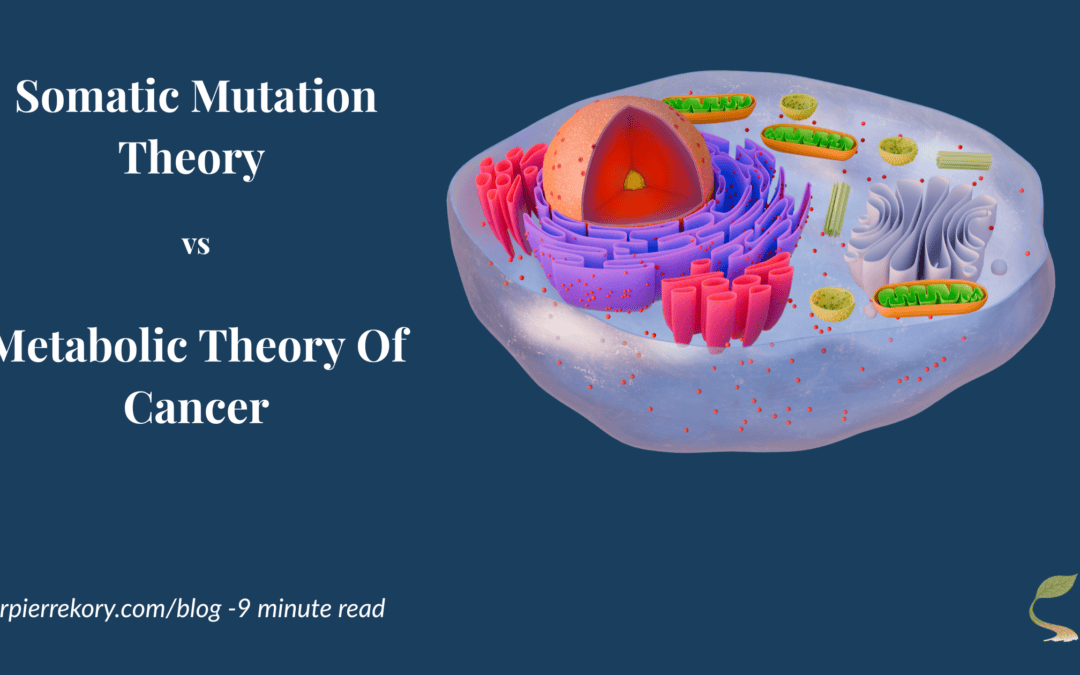
The Somatic Mutation Theory (SMT) holds that cancer arises from the accumulation of genetic mutations in the DNA contained within the nucleus of a cell. Carcinogens damage genes, specifically tumor suppressor genes and tumor promoter genes, and these mutations drive the cell to acquire the eight hallmarks of cancer identified by Hanahan and Weinberg: uncontrolled growth, evasion of cell death, immune evasion, the ability to spread, and critically, a reprogramming of energy metabolism.

The SMT has been the foundational, total, and guiding theory of cancer since the early 1970s. It is the basis for the entire field of “targeted therapy” drugs designed to counteract the products of specific genetic mutations.

The Metabolic Theory of Cancer (MTOC) holds something fundamentally different. It posits that cancer begins not with nuclear DNA damage but with damage to the mitochondria, the energy-producing organelles in the cell’s cytoplasm. When mitochondria are damaged, they lose the ability to use oxygen for energy production and are forced instead to rely almost entirely on glucose fermentation. This metabolic switch is known as the Warburg Effect, and was first identified by Nobel laureate Otto Warburg in 1927. This switch is then what sends distress signals to the nucleus, disrupting DNA repair mechanisms and activating oncogenes. Under the MTOC, nuclear mutations are a consequence of mitochondrial dysfunction, not its cause.

With this distinction, comes a fundamental difference in what you treat, how you treat it, and with what.

Side-by-side comparison of two competing theories of cancer origin. Left panel (gray, Somatic Mutation Theory): posits that carcinogens damage DNA, mutations drive the eight cancer hallmarks, and the treatment approach is to target mutations with drugs. Outcome noted: no founding mutation has been found and 700 targeted drugs produced zero cures. Right panel (teal, Metabolic Theory of Cancer): posits that carcinogens damage mitochondria, damaged mitochondria send signals to the nucleus, and nuclear mutations are downstream effects. Outcome noted: nuclear transfer experiments confirm mitochondria are the origin. Source: Seyfried 2012, Warburg 1927, nuclear transfer experiments.


The Failure of the Somatic Mutation Theory

The SMT ran into serious trouble the moment large-scale genomic sequencing became possible.

The Cancer Genome Atlas Project

In 2005, the Cancer Genome Atlas Project (TCGA) was launched. It was a massive, well-funded effort to sequence the genomes of cancer cells across multiple cancer types. The goal was to identify the mutations driving cancer, providing the targets for the next generation of therapies. Vogelstein, the most prominent SMT researcher of his era and the scientist who found that p53 mutations occur in more than 50% of cancers, was centrally involved.

What the TCGA found was not confirmation of the SMT. It was its systematic dismantling.

Across tumor types, the project found random mutations throughout the genome — no orderly progression of successive mutations as the theory predicted. Few previously unknown oncogenes were identified. No single “founding mutation” — a mutation that would need to be present in every cancer cell if the SMT were correct — was found. Mutations differed dramatically between patients with the same cancer type. Even within a single patient’s tumor, mutations varied widely between cells. In breast cancer, five tumors had no mutations at all while still behaving aggressively and cancerously.

The last finding is particularly damning. If nuclear mutations cause cancer, then every cancer cell, being a daughter of the original mutated cell, must carry that founding mutation. If you find cancer cells without any founding mutation, the Somatic Mutation Theory is dead. No founding mutation has been found to date.

In response, Vogelstein repeatedly modified the SMT to accommodate the contradictory data, eventually proposing twelve distinct biological systems that cancer could disrupt, which Travis Christofferson in his book Tripping Over the Truth described as “an ad hoc modification necessary to make a failed theory fit the data.” He eventually abandoned the study of cancer causes entirely, shifting his focus to diagnostics.

The field of targeted therapies (seven hundred agents tested in solid tumor patients over the past decade) produced zero drugs that prolonged survival by one year compared to conventional treatment. Zero. This is what you get when you design drugs against targets that are consequences rather than causes.


The Metabolic Theory: What Warburg Found and Why It Was Ignored

Otto Warburg discovered in 1927 that cancer cells, unlike normal cells, rely almost exclusively on glucose fermentation for energy, even in the presence of oxygen. He spent the rest of his life arguing this was not a curiosity but the central defining feature of a cancer cell. He won the Nobel Prize in 1931 for this discovery.

The Warburg Effect is, notably, the biological basis of PET scanning, which are the imaging technology that every oncologist uses to diagnose, stage, and monitor cancer. PET scans inject radio-labeled glucose into patients and identify cancer by the areas of unusually high glucose uptake. Every oncologist who orders a PET scan is implicitly acknowledging the Warburg Effect, that cancer cells are defined by their glucose dependence, while simultaneously telling patients that diet has no bearing on their cancer.

The question Warburg could never answer in his lifetime was why. Why do cancer cells rely on glucose even when oxygen is available?

Pedersen, Seyfried, and the Nuclear Transfer Experiments

The answer came from decades of work by Pete Pedersen, beginning in 1979, and was assembled into a coherent theory by Dr. Thomas Seyfried at Boston College in the early 2000s.

Pedersen discovered that cancer cells had structurally abnormal mitochondria. There were fewer of them, they were smaller, and they had missing membranes and abnormal protein content. He found that cancer cells expressed a specific, overactive form of hexokinase that both drove glucose consumption to its maximum and simultaneously inhibited apoptosis (programmed cell death). He established that carcinogens which better damaged mitochondria were better at causing cancer than those which damaged chromosomes.

Seyfried assembled these findings into a complete theory, grounded in nuclear transfer experiments from the 1980s that had been performed and then effectively ignored.

In these experiments, researchers took the nucleus of a cancer cell and transferred it into a normal cell from which the nucleus had been removed. If cancer was caused by nuclear mutations — as the SMT held — these reconstituted cells should have behaved cancerously. Instead, in study after study, they did not. The healthy mitochondria in the host cell appeared to silence the cancerous nuclear DNA.

The reverse experiment was equally decisive. When mitochondria from a cancer cell were transferred into a normal cell with a healthy nucleus, 97% of the resulting mice developed cancer.

The conclusion was unambiguous: damaged mitochondria, not mutated nuclei, are the proximate cause of cancer. The mutations found in cancer nuclei are downstream consequences of mitochondrial dysfunction, not its upstream cause.

Seyfried published his synthesis in 2012 in his book Cancer as a Metabolic Disease. He received standing ovations at medical conferences. The National Cancer Institute declined to meaningfully shift its research funding priorities.


How the Two Theories Fit Together

It’s important to be precise here, because the MTOC does not deny that nuclear mutations exist in cancer — they clearly do. What it argues is that these mutations are not the primary driver. They are consequences of mitochondrial dysfunction.

Damaged mitochondria send signals back to the nucleus (what Seyfried called the “retrograde response”) that disrupt DNA repair mechanisms and activate oncogenes. The mutations observed in cancer cells arise because the cellular machinery for monitoring and correcting DNA errors has been compromised by the initial mitochondrial insult.

This means that the SMT is not entirely wrong. It is, as Seyfried has argued, incomplete. The mutations are real. They are just not the starting point. And designing cancer therapy exclusively around targeting those mutations,while ignoring the metabolic dysfunction that generated them, is precisely why targeted therapy has delivered such modest results.

The two theories can and should coexist in clinical practice. At Leading Edge Clinic, we do not advise patients to forego standard of care. We argue that standard of care should be complemented with metabolic interventions, because if metabolic dysfunction is primary, then metabolic intervention must be part of the treatment.


The Warburg Effect and the Ketogenic Diet

The most immediate clinical implication of the MTOC is dietary.

If cancer cells are defined by their dependence on glucose, and if normal cells can switch to burning ketone bodies derived from fat when glucose is unavailable  (while cancer cells generally cannot, because this requires functional mitochondria) then a ketogenic diet creates a metabolic environment that selectively disadvantages cancer cells while supporting normal ones.

Thomas Seyfried tested this in animal models and found that caloric restriction and ketogenic diets were anti-angiogenic, pro-apoptotic, anti-invasive, and restored normal aerobic metabolism. This pushes back on nearly every mechanism by which cancer cells sustain their cancerous behavior.

Published studies support beneficial impacts of ketogenic and caloric restriction approaches across multiple cancer types including breast, brain, colon, pancreas, lung, and prostate cancers. Studies also show that such dietary approaches reduce chemotherapy side effects and potentiate chemotherapy efficacy. Patients who combine ketogenic diet with radiation or chemotherapy appear to do better than with either alone.

When we ask our cancer patients what their oncologist told them about nutrition, the most common answer is: “whatever you like.” A PET scan that lights up because of glucose uptake, ordered by a clinician who tells their patient diet doesn’t matter, represents a profound disconnection between the diagnostic tool and the treatment philosophy.

Side-by-side cell diagram comparing normal cell metabolism to cancer cell metabolism. Left (normal cell): uses oxygen and functional mitochondria for oxidative phosphorylation, producing 36–38 ATP per glucose molecule, with CO₂ and water as byproducts. PET scan result: dim, indicating low glucose uptake. Right (cancer cell): mitochondria are damaged and unable to use oxygen; the cell ferments glucose even in the presence of oxygen (aerobic glycolysis), producing only 2 ATP and generating lactate. PET scan result: bright, indicating high glucose uptake. A callout at the bottom notes that PET scans identify cancer by the Warburg Effect, yet most oncologists do not recommend a ketogenic diet. Source: Warburg 1927, Seyfried 2012.


Repurposed Drugs: The Clinical Application of the MTOC

Metabolic dysfunction in cancer cells creates multiple therapeutic vulnerabilities that can be targeted by drugs already in clinical use for other indications. This is the foundation of the repurposed drug approach to cancer.

Dr. Paul Marik, co-founder of the FLCCC and Dr. Kory’s longtime colleague, conducted a comprehensive scoping review of nearly 1,500 scientific references on repurposed drugs and nutraceuticals in cancer treatment, compiled in his book Cancer Care. He graded the evidence for each compound, identifying seventeen with strong evidence, eight with weak evidence, and fifteen with insufficient evidence.

At Leading Edge Clinic, we work from the compounds with both strong published evidence bases, but also the backing of our own clinical experiences. The result is combinations of agents depending on cancer type and stage. The pathways we target with repurposed drug combinations include Hexokinase 2, p53, TGF-β, Wnt, Notch, PI3K/AKT, Hedgehog, IGF-1, and more. These are all metabolic or growth-signaling pathways that are disrupted in cancer cells.

What the Clinical Trials Show

The repurposed drug approach is not speculative. A growing body of clinical trial evidence, primarily from academic centers outside the United States, where practitioners are less financially constrained to standard of care, shows meaningful results.

CUSP9 (glioblastoma): Nine repurposed drugs added to standard of care. Phase 1 trial results: 30% of patients alive and disease-free at over four years post-treatment. Historical standard of care long-term survival: under 5–10%.

METRICS (glioblastoma): Four repurposed drugs — metformin, atorvastatin, mebendazole, and doxycycline — added to standard of care in 95 Stage IV patients. Two-year survival: 64% versus 26–28% in historical controls. Median survival: 27.1 months versus 14–15 months. 85% of patients tolerated all four drugs without difficulty.

CLOVA (glioblastoma): Four different repurposed drugs — cimetidine, lithium, olanzapine, and valproate — in seven patients with recurrent, chemotherapy-resistant GBM with the poorest predicted prognosis. Median overall survival after recurrence: 11.2 months versus 4.3–4.9 months in historical controls (p=0.004).

COMBAT (pediatric solid tumors): Celecoxib, vitamin D, fenofibrate, and retinoic acid alongside standard chemotherapy in 74 children with advanced, heavily pretreated tumors. In the high-grade sarcoma subgroup: median overall survival of 15.4 months versus 3.9 months in historical controls — nearly four times longer (p=0.001).

These are meaningful, consistent improvements in survival across multiple cancer types, in multiple independent research groups, with multiple different drug combinations. What they all share in common is the thread of targeting metabolic and growth pathways rather than specific genetic mutations.

The ReDO (Repurposing Drugs in Oncology) Project, a partnership between The AntiCancer Fund and Global Cures, has now identified 970 trials of repurposed drugs in cancer across 45 countries. There is real momentum and there are reall results behind this approach. The barrier to widespread scientific inquiry is primarily financial. Repurposed drugs are off-patent, so there is no commercial incentive to fund large trials, and pharmaceutical companies are not funding the research that would establish their efficacy.

Comparison table showing survival outcomes across four repurposed drug combination trials versus historical controls. CUSP9 (9 drugs, glioblastoma): 30% alive at 4+ years versus 5–10% in historical controls. METRICS (4 drugs including metformin, atorvastatin, mebendazole, doxycycline, glioblastoma Stage IV): 64% two-year survival and 27.1 months median survival versus 27% and 14.5 months in historical controls. CLOVA (4 drugs, recurrent GBM): 11.2 months median survival versus 4.6 months. COMBAT (4 drugs, pediatric solid tumors): 15.4 months median survival versus 3.9 months. A green summary bar notes that all four trials showed meaningful, consistent improvements across independent research groups, multiple drug combinations, and multiple cancer types. An amber bar notes that the barrier to wider adoption is that repurposed drugs are off-patent with no commercial funding incentive, and the ReDO project has identified 970 repurposed drug trials across 45 countries. Sources: CUSP9, METRICS, CLOVA, COMBAT trial publications.


Cancer Stem Cells: The Target Standard Therapy Misses

One of the most important, and most overlooked, aspects of why standard cancer therapies so often fail is the cancer stem cell problem.

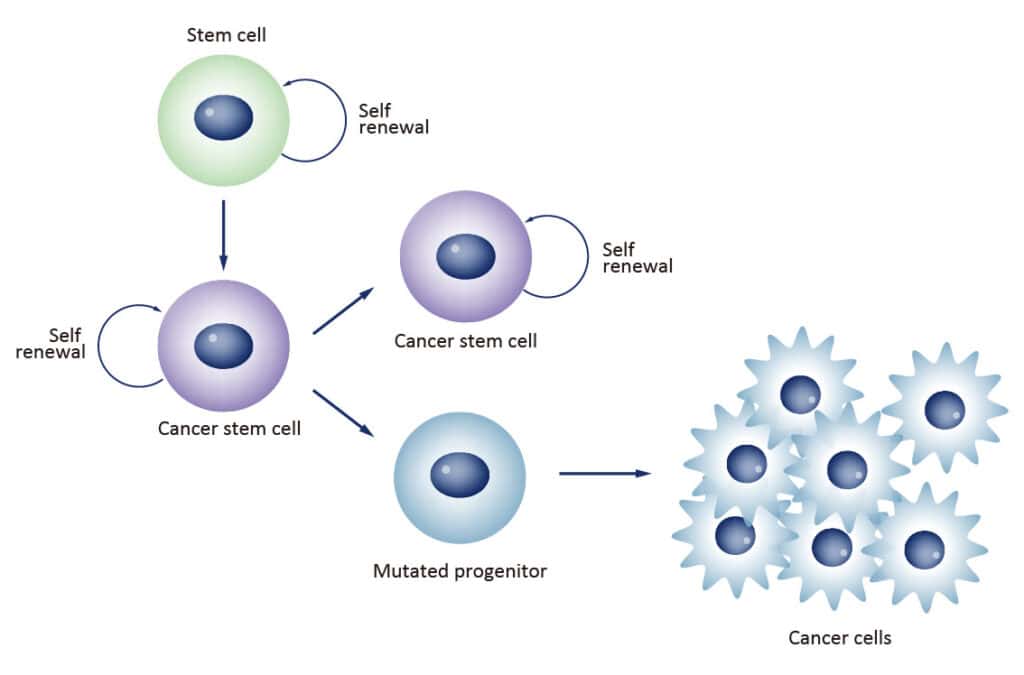
Cancer stem cells (CSCs) are a small, resilient subset of tumor cells (comprising between 0.01% and 2% of a tumor) that drive growth, relapse, and metastasis. Unlike the rapidly dividing cancer cells that chemotherapy and radiation target, CSCs exhibit self-renewal, differentiation, and anti-apoptotic properties that make them resistant to conventional treatment.

More troublingly, there is published evidence that chemotherapy and radiation can actively promote CSC proliferation, meaning the treatments that shrink tumors can simultaneously stimulate the very cells most responsible for recurrence. There are currently no FDA-approved therapies specifically targeting cancer stem cells.

Repurposed drugs change this picture. Since the discovery of CSCs, extensive in vitro studies have identified affordable, accessible agents that inhibit CSC proliferation. At Leading Edge Clinic, we specifically target CSCs in our combination protocols, which may include agents such as metformin, ivermectin, mebendazole, doxycycline, curcumin, green tea extract, berberine, melatonin, statins, and vitamin D3. Of course, the combinations used are specific to individual patients, and this is not an exhausitve list.

Targeting cancer stem cells is a response to one of the most important reasons that standard therapies produce high initial response rates followed by relapse. If you shrink the tumor while stimulating the cells that will rebuild it, you have not solved the problem.


Our Approach at Leading Edge Clinic

Our position is explicit: we do not recommend that patients avoid standard of care oncology. What we offer is a complement to that care, a metabolic and repurposed drug framework layered alongside standard treatment, aimed at the mechanisms that standard treatment leaves unaddressed.

Our approach may include some combination of:

Metabolic intervention. Ketogenic and caloric restriction dietary protocols, individualized to the patient’s cancer type, treatment status, and physical condition. The Warburg Effect is real. A clinical approach that ignores dietary glucose is ignoring the biology.

Repurposed drug combinations. Drawn from the strongest evidence base, targeting multiple growth-driving pathways simultaneously. We do not use single agents. The evidence strongly favors combination approaches, which is why CUSP9, METRICS, and CLOVA used four to nine agents at once.

Cancer stem cell targeting. Specific agents selected for anti-CSC mechanisms, addressing the relapse problem that standard therapy systematically fails to address.

Observational study enrollment. Leading Edge Clinic is a study site for a prospective, IRB-approved observational study comparing outcomes in patients treated with complementary repurposed drug protocols versus standard of care alone. It is being conducted through the nonprofit Rebuild Medicine. This is the scientific infrastructure needed to generate the evidence that the field’s financial dynamics have prevented from being produced.


A Note on Realistic Expectations

What is this approach? What is it not?

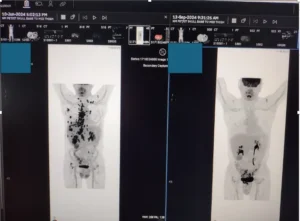
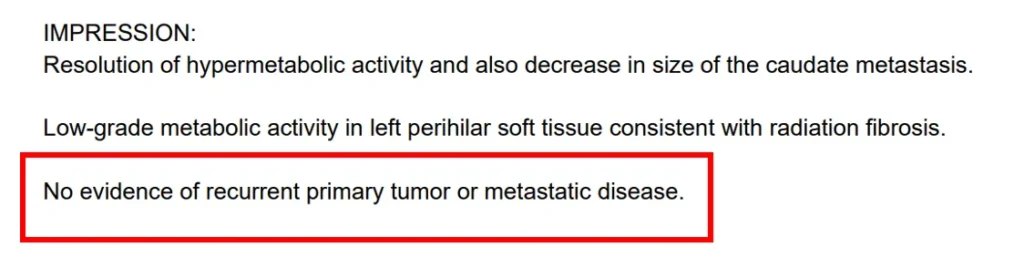
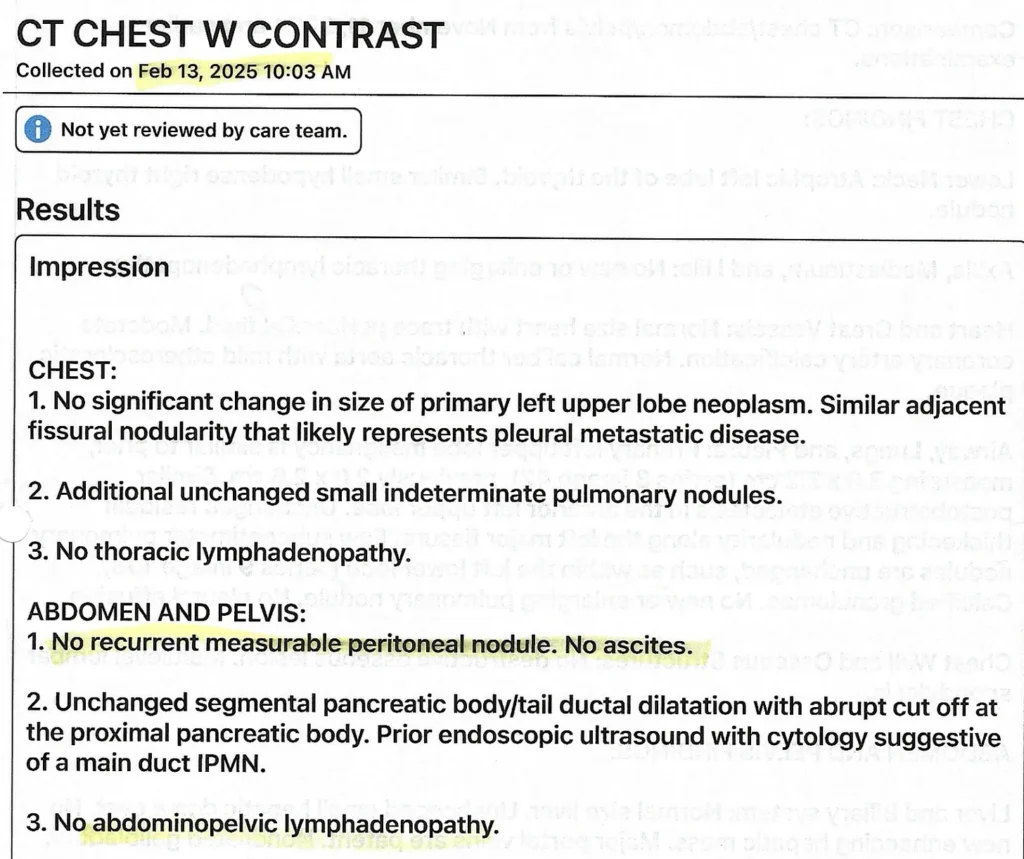
The patients who respond most dramatically to repurposed drug and metabolic protocols are not a representative sample. Dramatic responses exist. Complete and near-complete resolution of metastatic disease exists, as documented in our own patient series. But, so do more modest responses, such as moderate shrinkage of tumors, or halting of disease progression. There are also, of course, patients who do not respond the way we are hoping they will. Welcome to cancer care. It is a moving target, and our approaches evolve with both our clinical experience, and emerging evidence.

We present our outcomes consecutively and transparently, not cherry-picked successes like some others in the space. Of five consecutive metastatic lung cancer patients treated at our clinic with combination repurposed drug protocols and ketogenic diets, four showed no cancer progression over the observation period. One achieved complete remission. Two of those patients (by their own choice, not our recommendation) received no conventional chemotherapy, radiation, or targeted therapies. These are meaningful results, and they should be interpreted in the context of what we know from the clinical trials above.

They are also preliminary. This is why the observational study matters. We need the data. We need to understand who responds and why, so that the clinical approach can be refined and the patients who are most likely to benefit can be identified.

What we can say with confidence is that the metabolic framework is scientifically sound, the repurposed drug evidence base is real and growing, and the gap between what standard oncology offers and what is available to patients willing to go further is substantial.

If you want to learn more about becoming a patient with our clinic, please use the following resources:


Leading Edge Clinic offers adjunctive cancer care alongside standard oncology, including repurposed drug protocols and metabolic interventions. We see cancer patients in all 50 states via telehealth. Leading Edge Clinic is a study site for the Rebuild Medicine observational study on repurposed drugs in cancer.

This article is for educational purposes and does not constitute medical advice. We strongly encourage all cancer patients to seek professional care for treatment.


Key References

Fenbendazole vs. Mebendazole for Cancer: Why the Distinction Matters

Fenbendazole vs. Mebendazole for Cancer: Why the Distinction Matters

The Buzz Around Benzimidazoles

If you’ve spent any time researching repurposed drugs for cancer, you’ve almost certainly come across fenbendazole. The story of Joe Tippens, a terminal lung cancer patient who attributed his remission to a veterinary deworming drug, caught massive attention in 2019 and hasn’t stopped circulating since. More recently, Mel Gibson’s appearance on The Joe Rogan Experience, where he described friends beating Stage 4 cancers with fenbendazole and ivermectin, pushed the conversation further into the mainstream.

Before the Gibson interview on January 9th 2025, we had been steadily trodding along, a year into our adjunctive cancer program and participation in the Rebuild Medicine observational study. We were already well aware of the power of ivermectin and benzimidazoles.

Cancer patients, especially those with advanced disease who’ve exhausted conventional options, are looking for anything with a reasonable safety profile and a plausible mechanism. And the science behind benzimidazole anthelmintics as anticancer agents is real and growing. We have seen it first-hand, with our patients experience meaningful results, including remissions, through a multi-targeted program using a combination of repurposed drugs – including benzimidazoles. Dr. Kory documented similar successes to Joe Tippens’ story on his substack, detailing 5 patient case studies of Stage 4 Lung Cancer patients.

But here’s what gets lost in the excitement: fenbendazole is not the only benzimidazole, and it may not be the best one for cancer patients. In our clinical practice, we recommend mebendazole over fenbendazole, and not because mebendazole has a better marketing story. The reasons are pharmacological, clinical, and cautionary.

This article covers the benzimidazole drug class, the shared anticancer mechanisms that make them a must-have in our adjunctive cancer program, and why the choice between these drugs matters more than most online discourse acknowledges.

What Are Benzimidazoles?

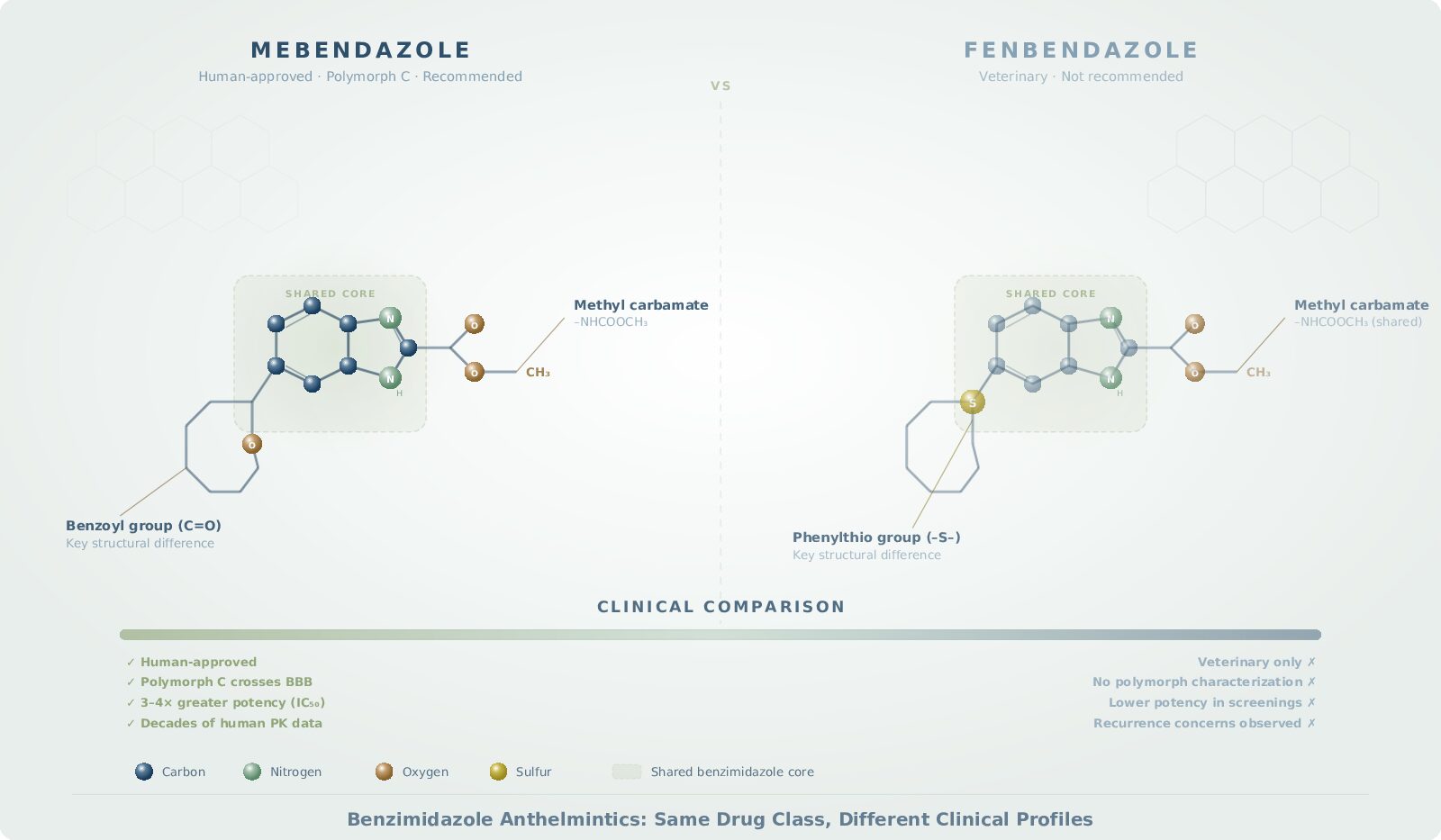
Benzimidazoles are a class of anthelmintic (anti-parasitic) drugs that share a common chemical structure: a benzene ring fused with an imidazole ring. The class includes several drugs relevant to cancer research:

Mebendazole (MBZ): Approved for human use. Used to treat pinworm, roundworm, hookworm, and other parasitic infections. Available from compounding pharmacies.

Fenbendazole (FBZ): Approved for veterinary use. Commonly used in dogs, cats, and livestock. Not approved for human use by the FDA.

Albendazole (ABZ): Approved for human use. Primarily used for echinococcosis and neurocysticercosis. Less studied for cancer applications than mebendazole.

All three share the same core mechanism of action—they bind to β-tubulin and disrupt microtubule formation. This is why their anticancer properties overlap significantly. But they are not identical drugs. Their pharmacokinetics, bioavailability, polymorphic forms, regulatory status, and clinical track records in cancer patients differ in ways that have real consequences for patient outcomes.

How Benzimidazoles Fight Cancer: Shared Mechanisms

The anticancer activity of benzimidazoles has been demonstrated across dozens of preclinical studies and is now supported by an emerging clinical evidence base. Dr. Paul Marik classifies the mebendazole/fenbendazole/albendazole group as Tier One repurposed drugs in his comprehensive cancer care monograph (Marik, 2024)—meaning there is strong recommendation based on the available evidence.

The mechanisms are multi-targeted and address several cancer hallmarks simultaneously.

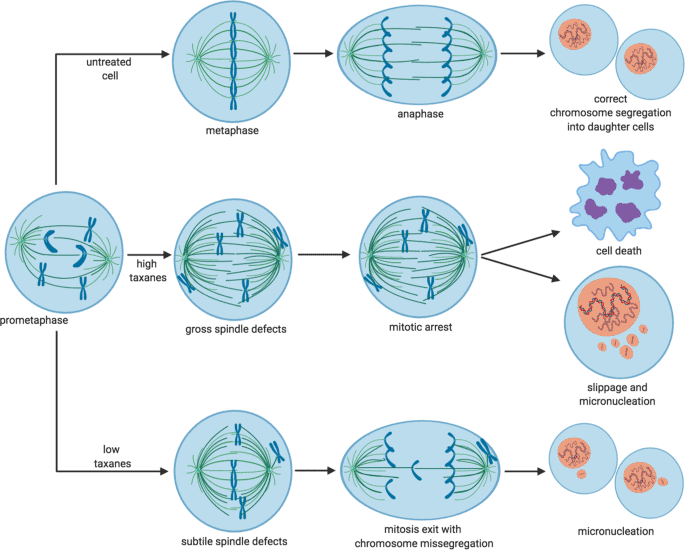
1. Microtubule Disruption and Mitotic Arrest


cancer microtubule diagram

This is the foundational mechanism and the one benzimidazoles were essentially designed for, albeit against parasites, not cancer.

Microtubules are structural proteins that form the “skeleton” of dividing cells. During cell division (mitosis), microtubules organize into the mitotic spindle, which pulls chromosomes apart so each daughter cell gets a complete copy of DNA. Cancer cells divide rapidly and depend heavily on functional microtubules to do so.

Benzimidazoles bind to β-tubulin and prevent it from polymerizing into microtubules. Without functional microtubules, the mitotic spindle cannot form, and cell division arrests. Cells stuck in mitotic arrest eventually undergo apoptosis (programmed cell death).

This is the same general mechanism used by taxane chemotherapy drugs (paclitaxel, docetaxel) and vinca alkaloids (vincristine, vinblastine), except benzimidazoles achieve it at a fraction of the toxicity and cost.

In comparative screenings, mebendazole has demonstrated the greatest inhibitory effect among benzimidazoles tested against cancer cell lines, with IC50 values of 0.30–0.32 µM in chemoresistant melanoma cells—compared to 0.7–1.2 µM for albendazole and 1.2–1.4 µM for fenbendazole (Doudican et al., 2008). Importantly, mebendazole showed significantly less toxicity to normal melanocytes, demonstrating selectivity for cancer cells.

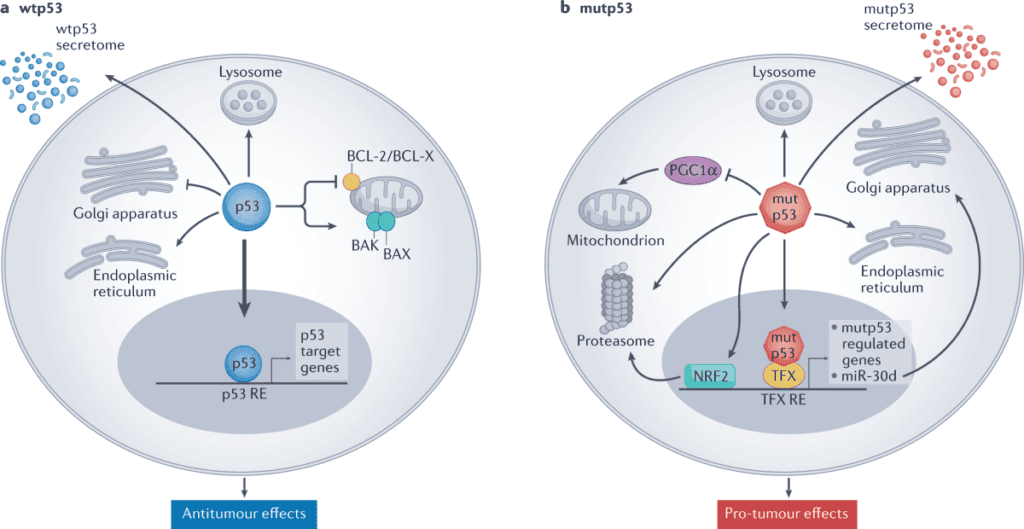
2. p53 Reactivation and Apoptosis Induction


p53 suppresor gene antitumour vs pro-tumour effects

The p53 tumor suppressor gene, often called the “guardian of the genome”, is the most commonly mutated gene in human cancers. When functional, p53 detects DNA damage and either halts cell division for repair or triggers apoptosis if the damage is irreparable. In many cancers, p53 is suppressed or rendered non-functional by overexpression of its negative regulators, MDM2 and MDMX.

Benzimidazoles have been shown to downregulate both MDM2 and MDMX, effectively restoring p53 function in tumor cells where p53 itself remains intact but is being suppressed (Mrkvová et al., 2019). This reactivation of p53 shifts the balance from uncontrolled proliferation back toward programmed cell death.

The upregulation of p53 and its downstream target p21 has been demonstrated for both mebendazole and fenbendazole (Dogra et al., 2018; Doudican et al., 2008), confirming this as a class-level effect.

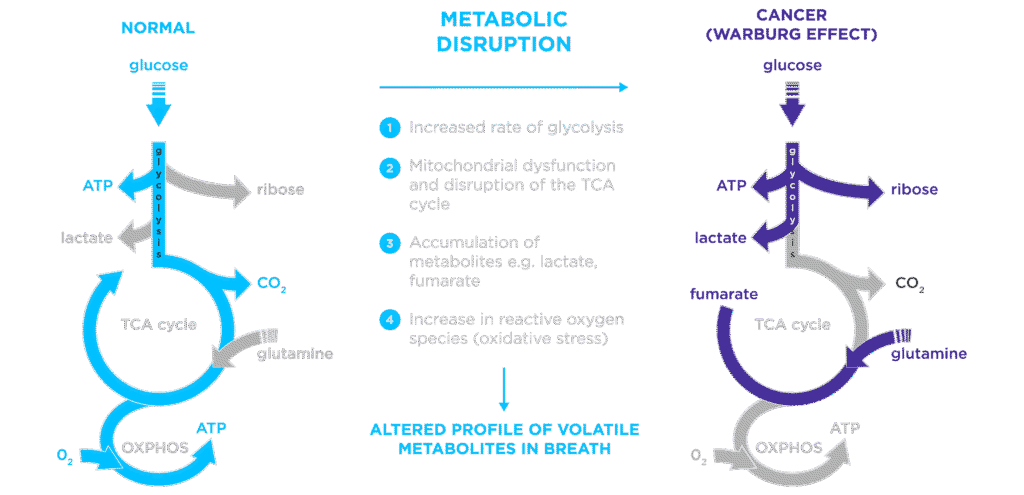
3. Metabolic Disruption: Targeting the Warburg Effect


The Warburg effect Disruption of the TCA cycle diagram showing normal cellular metabolism versus irregular cellular metabolism in cancer cells

Cancer cells are metabolic parasites (not literal parasites, though). Rather than relying on efficient mitochondrial oxidative phosphorylation like healthy cells, most cancer cells depend heavily on glycolysis, fermenting glucose even in the presence of oxygen. This metabolic reprogramming, known as the Warburg effect, is now recognized as a fundamental hallmark of cancer and the basis for the metabolic theory of cancer as articulated by Thomas Seyfried and others.

Benzimidazoles inhibit glucose uptake and glycolytic enzymes in cancer cells, starving them of their primary fuel source (Pantziarka et al., 2014). This metabolic disruption is particularly relevant in the context of a ketogenic dietary intervention, a strategy we employ – when indicated – alongside repurposed drug protocols at our practice. When you restrict glucose availability through diet and simultaneously block cancer cells’ ability to import what glucose remains, you create a hostile metabolic environment that healthy cells can adapt to, but cancer cells cannot.

4. Cancer Stem Cell Targeting


Cancer Stem Cell self renewal diagram


Cancer stem cells (CSCs) are the subpopulation of cells within a tumor responsible for treatment resistance, recurrence, and metastasis. They are the reason cancers come back after chemotherapy appears to have worked. Conventional cytotoxic treatment kills the bulk tumor cells while leaving the CSCs intact.

This is one of the central differentiators of our adjunctive cancer care program: we target cancer stem cells directly, while conventional treatment largely does not.

Benzimidazoles target CSCs through multiple pathways:

Sonic Hedgehog/GLI1 inhibition: Mebendazole inhibits the Hedgehog signaling pathway—a major driver of cancer stem cell self-renewal—at IC50 of 0.516 µM, positioning it as a potential alternative to the pharmaceutical Hedgehog inhibitor vismodegib (Borodovsky et al., 2015).

ALDH+ stem cell depletion: Mebendazole depletes ALDH+ cancer stem cells in triple-negative breast cancer, one of the most aggressive and difficult-to-treat subtypes (Targeting CSCs, as reviewed in Marik, 2024).

Wnt/β-catenin pathway suppression: Both mebendazole and fenbendazole interfere with Wnt signaling, which is critical for CSC maintenance and self-renewal across multiple cancer types.

When combined with ivermectin, which targets CSCs through complementary mechanisms (PAK1/Akt/mTOR blockade, downregulation of NANOG/SOX2/OCT4), the benzimidazole-ivermectin combination provides multi-pathway CSC coverage. This is why we typically recommend both drugs together as part of a comprehensive protocol. Furthermore, we do not recommend these drugs as monotherapies.

5. Anti-Angiogenic Effects


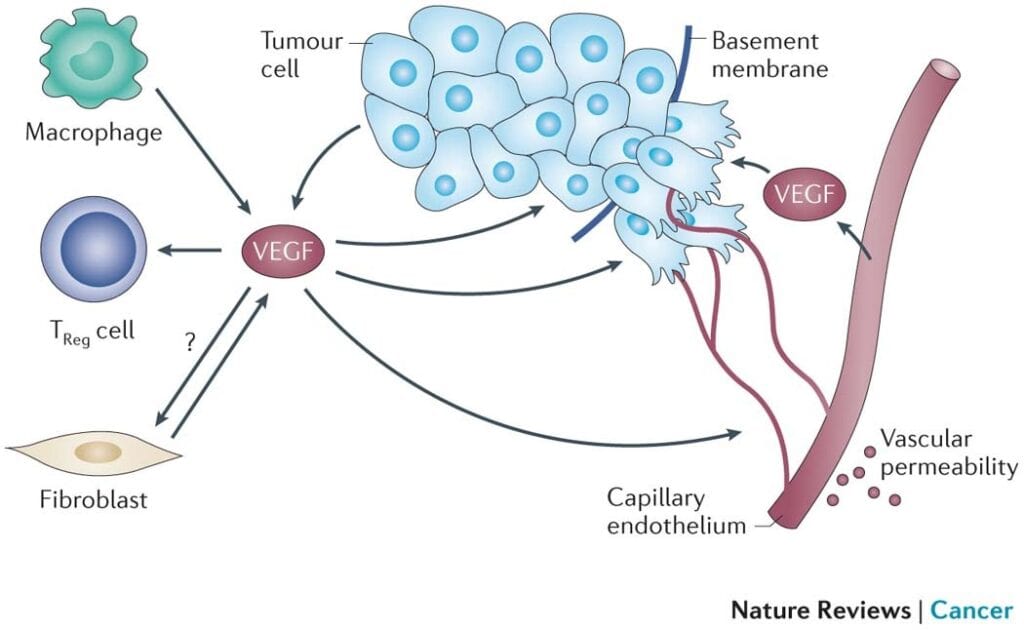
Tumors require a blood supply to grow. The process of recruiting new blood vessels, angiogenesis, is driven largely by vascular endothelial growth factor (VEGF) signaling. Mebendazole reduces VEGFR2 kinase activity and decreases tumor microvessel density in preclinical models, effectively cutting off the tumor’s supply lines (Pantziarka et al., 2014).

This anti-angiogenic property complements the metabolic disruption described above: you’re simultaneously restricting the tumor’s fuel delivery (angiogenesis inhibition) and its ability to use that fuel (glycolysis inhibition).

6. Immune Modulation

Emerging research demonstrates that mebendazole polarizes tumor-associated macrophages from the immunosuppressive M2 phenotype toward the pro-inflammatory M1 phenotype (as reviewed in Marik, 2024). In simple terms: tumors actively suppress local immune cells to avoid detection. Mebendazole helps reverse that suppression, re-enabling the immune system to recognize and attack cancer cells.

This immune-modulating effect is particularly interesting in the context of combination protocols, as it may enhance the activity of other immunomodulatory agents in the regimen, including low-dose naltrexone, which several of our cancer patients also use.

7. BRAF/MEK Pathway Inhibition

Mebendazole inhibits the BRAF/MEK signaling pathway, including the BRAF V600E mutation, one of the most common oncogenic mutations, found in approximately 50% of melanomas and a significant percentage of colorectal, thyroid, and lung cancers. This gives mebendazole a targeted therapy-like mechanism in addition to its broader anticancer effects.

Blood-Brain Barrier Penetration: A Critical Advantage for Mebendazole

One of mebendazole’s most clinically significant properties is its ability to cross the blood-brain barrier (BBB).

Bai et al. (2015) demonstrated in preclinical glioblastoma models that mebendazole achieves therapeutically effective concentrations in brain tissue and tumor. However – and this is critical – not all forms of mebendazole are equal in this regard.

Mebendazole exists in three polymorphic forms: A, B, and C. These are chemically identical but differ in their crystal structure, which affects how they dissolve, absorb, and distribute in the body.

Polymorph C reaches therapeutic concentrations in brain tissue with fewer side effects than polymorphs A or B (Bai et al., 2015). In the preclinical glioblastoma study, polymorph C significantly extended survival, and its efficacy was further enhanced when combined with elacridar (a drug that inhibits the P-glycoprotein efflux pump at the BBB).

Polymorph A showed inferior brain penetration and reduced anticancer efficacy compared to polymorph C.

Polymorph B is the least bioavailable form and is generally considered subtherapeutic for cancer applications.

This distinction matters enormously for patients, and it’s one that most online fenbendazole resources don’t address because fenbendazole doesn’t have this level of polymorphic characterization in human pharmacokinetic studies. If you’re taking mebendazole for cancer and you’re not receiving polymorph C, you may not be getting therapeutic benefit. This is why we recommend obtaining mebendazole from compounding pharmacy partners who can verify polymorph C formulation through 3rd party lab testing, rather than purchasing international products where the polymorphic form is uncertain. This is also why we work with trusted compounding pharmacy partners.

Why We Recommend Mebendazole Over Fenbendazole

Given that benzimidazoles share a core mechanism of action, why does the specific drug choice matter? Several reasons:

1. Human Pharmacokinetic Data

Mebendazole has decades of human pharmacokinetic data from its approved use treating parasitic infections, including long-term, high-dose studies in echinococcosis patients (40–50 mg/kg/day for months to years). This gives clinicians a well-characterized safety profile with known drug interactions, metabolism pathways, and adverse effect patterns.

Fenbendazole has pharmacokinetic data primarily in veterinary species. While human case reports exist, the pharmacokinetic profile in humans is less well-defined. Dosing guidance for fenbendazole in cancer patients is largely extrapolated from veterinary data and anecdotal reports, which provides a less solid foundation for clinical decision-making. This isn’t to say fenbendazole is not safe. If you look at online discussions, many patients self administer fenbendazole without issue. However, this is not something we recommend.

2. Superior Preclinical Potency

In direct comparisons across cancer cell lines, mebendazole has consistently demonstrated greater anticancer potency than fenbendazole. In the Doudican et al. (2008) melanoma screening, mebendazole achieved IC50 values 3-4x lower than fenbendazole (0.30–0.32 µM vs. 1.2–1.4 µM). Nygren et al. (2013), screening 1,600 existing drugs against colon cancer cell lines, identified mebendazole as a top candidate from among a cluster of benzimidazoles that also included fenbendazole.

3. BBB Penetration with Characterized Polymorphism

As detailed earlier, mebendazole polymorph C has published data demonstrating brain tissue penetration at therapeutic concentrations. For patients with primary brain tumors or brain metastases, which represent a significant portion of advanced cancer cases, this is not a theoretical advantage. It is a practical one that can influence treatment outcomes.

4. Clinical Observations on Recurrence Patterns

This is where we share something that we believe patients need to hear, with the caveat that these are clinical observations, rather than published research.

Our compounding pharmacy colleagues, who have worked in the repurposed drug cancer space for nearly two decades, have tracked a concerning pattern among fenbendazole users. Many patients who took fenbendazole had excellent clinical results while on the drug. However, when cancer recurred after discontinuation, it tended to be more aggressive and significantly more resistant to treatment than would typically be expected.

We want to be transparent: this is observational data, not research. But it comes from nearly 18 years of clinical observation across a large number of patients, and we take it seriously. The pattern is consistent with what we know about cancer’s ability to adapt to selective pressures. If fenbendazole exerts a different pharmacodynamic profile than mebendazole, even subtly, it could create different resistance patterns upon discontinuation.

This observation reinforces two principles we hold firmly in our practice:

First, drug cycling matters. Cancer adapts. Any single-agent approach, no matter how effective initially, creates selective pressure that favors resistant cell populations. We rotate and cycle our protocols specifically to prevent this.

Second, these are not monotherapies. No single repurposed drug should be used in isolation. The multi-pathway, multi-drug approach is not just theoretically superior, it is clinically essential for durable outcomes.

5. Regulatory and Quality Control Considerations

Mebendazole is a human-approved pharmaceutical. When obtained from a reputable compounding pharmacy that verifies polymorph C, patients can have confidence in what they are receiving.

Fenbendazole is a veterinary product. The formulations available to consumers are manufactured to veterinary standards, which differ from pharmaceutical-grade human medications. Purity, consistency, and excipient profiles may vary. Patients self-sourcing fenbendazole from pet supply stores or online vendors have no way to verify what they’re actually getting.

The Evidence Base: Cancer Types Studied

Benzimidazoles have demonstrated anticancer activity across an extensive range of cancer types in preclinical studies:

Glioblastoma/Brain cancers: Mebendazole significantly extended survival in preclinical glioblastoma models and crosses the blood-brain barrier (Bai et al., 2011; Bai et al., 2015). Combination with temozolomide (standard chemotherapy) extended survival further than temozolomide alone.

Melanoma: Mebendazole identified as a lead compound from screening 2,000 molecules against chemoresistant melanoma cell lines. Induced dose-dependent apoptosis with selectivity for cancer cells over normal melanocytes (Doudican et al., 2008).

Colorectal cancer: Both mebendazole and fenbendazole identified in drug screens against colon cancer cell lines. Fenbendazole additionally showed activity against 5-fluorouracil-resistant colorectal cancer cells, relevant for patients whose cancers have stopped responding to standard chemotherapy (Nygren et al., 2013; Park et al., 2019).

Breast cancer: Mebendazole and albendazole caused selective apoptotic cell death in breast cancer cell lines while sparing normal cells (Petersen & Baird, 2021). Mebendazole depletes ALDH+ cancer stem cells in triple-negative breast cancer.

Lung cancer: Benzimidazoles have been investigated for both non-small cell lung cancer and lung adenocarcinoma. In our own case series of five metastatic lung cancer patients, polymorph C mebendazole was part of every patient’s treatment protocol alongside ivermectin and other repurposed agents. Outcomes ranged from complete remission (in an ALK-positive NSCLC patient) to sustained disease stability over 6–16 months, including in patients in their 80s and one patient receiving no conventional treatment at all.

Pancreatic cancer: Emerging evidence supports benzimidazole activity in pancreatic cancer models, particularly when combined with metabolic interventions.

Ovarian, gastric, and osteosarcoma: Additional preclinical data across these cancer types further supports the broad-spectrum anticancer activity of the benzimidazole class.

Synergy with Ivermectin: Why We Recommend Both

Mebendazole and ivermectin target cancer through different but complementary mechanisms. The first peer-reviewed protocol for the combined use of ivermectin, mebendazole, and fenbendazole in cancer was published in 2024 (Baghli, Martinez, Marik et al., 2024), providing a formal evidence-based framework for this combination approach.

The rationale for combining them:

Different primary mechanisms: Mebendazole disrupts microtubules; ivermectin disrupts PAK1/Akt/mTOR signaling, mitochondrial function, and WNT pathways. Together, they cover more cancer hallmarks simultaneously.

Complementary CSC targeting: Ivermectin targets cancer stem cells through stemness gene downregulation (NANOG, SOX2, OCT4). Mebendazole targets CSCs through Hedgehog/GLI1 inhibition and ALDH+ depletion. Different mechanisms, same critical target.

Reduced resistance potential: Multi-drug combinations reduce the likelihood that cancer cells can develop resistance to all agents simultaneously. This is the same principle behind multi-drug chemotherapy regimens. But, applied to safer, more tolerable medications.

Published synergistic effects: The combination has shown additive or synergistic anticancer effects in published preclinical data. In our clinical practice, every patient in our metastatic lung cancer case series received both polymorph C mebendazole and ivermectin as part of their multi-drug protocol—and the outcomes in that cohort, including a complete remission and multiple cases of sustained disease stability, are consistent with the synergistic benefit the research predicts.

For a detailed discussion of ivermectin’s independent anticancer mechanisms and our clinical outcomes data, see our companion article: Ivermectin for Cancer: Scientific Mechanisms & Clinical Outcomes.

Clinical Considerations

Administration

Mebendazole should be taken with a fatty meal to improve absorption, as it has relatively low oral bioavailability (~17–20% of the dose reaching systemic circulation). Fat-soluble drugs require dietary fat for adequate absorption. This is not optional, it meaningfully affects therapeutic drug levels.

Specific dosing, cycling schedules, and protocol details are individualized in our practice based on cancer type, stage, concurrent treatments, and patient tolerability. We strongly recommend against self-dosing based on internet protocols. The difference between a thoughtful, clinician-supervised multi-drug regimen with appropriate cycling and a self-administered single-agent protocol is the difference between informed treatment and a gamble.

Safety Profile

Mebendazole has a well-established safety record from decades of human use, including long-term high-dose regimens for echinococcosis. The WHO includes mebendazole on its List of Essential Medicines.

Safety was formally evaluated across 6,276 subjects in 39 clinical trials plus decades of post-marketing experience (Guerini et al., 2019). The most common adverse effects at standard dosing are mild gastrointestinal symptoms. At higher doses used for echinococcosis, hepatotoxicity is the primary concern requiring monitoring, but this is typically at doses significantly above those used in most cancer protocols.

Drug interactions exist and must be managed, particularly with:

  • Medications metabolized by CYP enzymes
  • Other hepatotoxic agents
  • Concurrent chemotherapy (which requires careful coordination)

Contraindications

  • Pregnancy (teratogenic in animal studies)
  • Significant hepatic impairment (requires monitoring of liver function)
  • Known hypersensitivity to benzimidazoles

Monitoring

Patients on mebendazole as part of a cancer protocol should have regular liver function monitoring, complete blood counts, and imaging per their oncologist’s schedule. This is standard practice at Leading Edge Clinic. Our nursing team provides proactive check-ins throughout treatment to manage dosing, side effects, and protocol adherence.

What This Means for Cancer Patients

If you’ve found your way to this article because you’re researching fenbendazole for cancer, here’s what we want you to take away:

The science behind benzimidazoles as anticancer agents is real. The mechanisms are well-characterized, the preclinical data is extensive, and the emerging clinical evidence is encouraging. Naysayers call this wishful thinking, placebo effect, and quackery. But, it is proven pharmacology.

Mebendazole is the superior clinical choice within this drug class for human cancer patients. This statement is based on potency data, human pharmacokinetic characterization, polymorph-specific brain penetration research, and 18 years of clinical observations from compounding pharmacy colleagues.

No benzimidazole should be used as a monotherapy. Cancer adapts. Multi-pathway coverage – using benzimidazoles alongside ivermectin, metabolic interventions, and other repurposed agents – provides the best chance at durable outcomes.

Cycling and protocol management matter. The same adaptability that makes cancer deadly also means static, unchanging drug regimens lose effectiveness over time. We cycle our protocols specifically to stay ahead of resistance.

Clinical supervision is essential. Drug interactions, polymorph verification, dosing optimization, monitoring, and integration with conventional treatment all require experienced clinical management. Our adjunctive cancer care program provides exactly this—frequent provider visits, dedicated nursing support, and protocols built on the research of Dr. Paul Marik and our own clinical experience.

If you’re a cancer patient interested in incorporating mebendazole and other repurposed drugs into your care, learn more about our adjunctive cancer care program or register to make an appointment.


References

Baghli I, Martinez P, Marik PE, et al. Ivermectin, Fenbendazole and Mebendazole protocol in cancer. Published September 19, 2024. Peer-reviewed protocol for combined benzimidazole use in cancer.

Bai RY, Staedtke V, Aprhys CM, Gallia GL, Riggins GJ. Antiparasitic mebendazole shows survival benefit in 2 preclinical models of glioblastoma multiforme. Neuro-Oncology. 2011;13(9):974-982. doi:10.1093/neuonc/nor077

Bai RY, Staedtke V, Wanjiku T, Bhatt R, Riggins GJ. Brain penetration and efficacy of different mebendazole polymorphs in a mouse brain tumor model. Clinical Cancer Research. 2015;21(15):3462-3470. doi:10.1158/1078-0432.CCR-14-2681

Borodovsky A, Larsen AR, Bai RY, et al. Repurposing the antihelmintic mebendazole as a Hedgehog inhibitor. Molecular Cancer Therapeutics. 2015;14(1):3-13. doi:10.1158/1535-7163.MCT-14-0755-T

Dogra N, Kumar A, Mukhopadhyay T. Fenbendazole acts as a moderate microtubule destabilizing agent and causes cancer cell death by modulating multiple cellular pathways. Scientific Reports. 2018;8:11926. doi:10.1038/s41598-018-30158-6

Doudican NA, Byron SA, Pollock PM, Orlow SJ. XIAP downregulation accompanies mebendazole growth inhibition of melanoma xenografts. Anti-Cancer Drugs. 2008;19(2):157-163. doi:10.1097/CAD.0b013e3282f44b67

Guerini AE, Triggiani L, Maddalo M, et al. Mebendazole as a candidate for drug repurposing in oncology: an extensive review of current literature. Cancers. 2019;11(9):1284. doi:10.3390/cancers11091284. PMC6769799. https://pmc.ncbi.nlm.nih.gov/articles/PMC6769799/

Marik PE. Cancer Care: Repurposed Drugs & Metabolic Interventions in Treating Cancer. 2nd ed. Independent Medical Alliance; 2024. https://imahealth.org/wp-content/uploads/2023/06/Cancer-Care-FLCCC-Dr-Paul-Marik-v2.pdf

Mrkvová Z, Uldrijan S, Pombinho A, Bartůněk P, Slaninová I. Benzimidazoles downregulate Mdm2 and MdmX and activate p53 in MdmX overexpressing tumor cells. Molecules. 2019;24(11):2152. doi:10.3390/molecules24112152

Nygren P, Fryknäs M, Agerup B, Larsson R. Repositioning of the anthelmintic drug mebendazole for the treatment for colon cancer. Journal of Cancer Research and Clinical Oncology. 2013;139(12):2133-2140. doi:10.1007/s00432-013-1539-5

Pantziarka P, Bouche G, Meheus L, Sukhatme V, Sukhatme VP. Repurposing drugs in oncology (ReDO)—mebendazole as an anti-cancer agent. ecancermedicalscience. 2014;8:443. doi:10.3332/ecancer.2014.443. https://ecancer.org/en/journal/article/443-repurposing-drugs-in-oncology-redo-mebendazole-as-an-anti-cancer-agent

Park D, Lee JH, Yoon SP. Anti-cancer effects of fenbendazole on 5-fluorouracil-resistant colorectal cancer cells. Korean Journal of Physiology & Pharmacology. 2019;23(5):377-386. doi:10.4196/kjpp.2019.23.5.377

Petersen JSSM, Baird SK. Treatment of breast and colon cancer cell lines with anti-helmintic benzimidazoles mebendazole or albendazole results in selective apoptotic cell death. Journal of Cancer Research and Clinical Oncology. 2021;147(10):2945-2953. doi:10.1007/s00432-021-03698-0


Disclaimer: This article is for educational purposes only and should not be construed as medical advice. Cancer treatment decisions should be made in consultation with qualified oncology professionals. The information presented represents current research and clinical observations; outcomes may vary. Patients should never discontinue or modify standard cancer treatments without consulting their healthcare team.

From Chronic Fatigue To Cancer Risk: Understanding the IL-6 Connection in Post-Viral Syndromes – Part 1

From Chronic Fatigue To Cancer Risk: Understanding the IL-6 Connection in Post-Viral Syndromes – Part 1

Research in 2025-2026 has identified a critical inflammatory pathway shared across Long COVID, Post-Vaccine Syndrome, and even cancer progression: persistently elevated Interleukin-6 (IL-6). However, if you’ve been following us for a while, you know this research is finally catching up to what we have known from the beginning of the spike protein pandemic. If you read the research, you will hear how this discovery is transforming how conventional medicine understands and treats post-viral syndromes while revealing crucial connections to long-term health risks. At Leading Edge Clinic, where we’ve specialized in treating these conditions since 2022, we have been treating patients with the knowledge of IL-6’s role in post-viral syndromes all along. In this piece, we will talk about what new research gets right. Then, next week, we will cover what happens after elevated IL-6 is dealt with.

The IL-6 “Revolution”: A Paradigm Shift in Post-Viral Medicine

If you’re struggling with persistent fatigue, brain fog, or multi-system symptoms months or years after COVID-19 infection or vaccination, your body may be trapped in a state of chronic inflammation. The culprit? A single inflammatory molecule that’s emerging as the master orchestrator of post-viral syndromes: Interleukin-6.

Recent studies published in January 2026 have confirmed what clinicians treating Long COVID and Post-Vaccine Syndrome have long suspected, and even known: patients with persistent symptoms show sustained upregulation of inflammatory pathways, with IL-6 at the center of this dysfunction. This isn’t just academic knowledge. It is validation for patients, and hopefully something that will spur change in how more mainstream practitioners understand and treat these debilitating conditions.

But here’s what makes this research even more significant: the same IL-6 pathway implicated in post-viral syndromes is also a known driver of cancer progression. Understanding this connection isn’t just about treating today’s symptoms. It is about protecting your long-term health.

What Is IL-6 and Why Does It Matter?

Interleukin-6 is a cytokine. Cytokines are signaling molecules your immune system uses to coordinate inflammatory responses. In healthy individuals, IL-6 spikes temporarily during infections or injury, helping your body fight off threats and heal damaged tissue. Once the threat is eliminated, IL-6 levels return to normal baseline.

But in Long COVID, Post-Vaccine Syndrome, and certain chronic diseases, something goes wrong. Much of the current thinking is that IL-6 remains persistently elevated long after the initial trigger has resolved, creating a state of chronic, low-grade inflammation that damages tissues throughout your body. However, we believe it is more likely that the issue hasn’t fully resolved. This could be due to viral resevoirs, persistent spike production in the vaccine injured, immune dysregulation, etc…

What Elevated IL-6 Does to Your Body

Chronic IL-6 elevation isn’t benign. This persistent inflammatory signal creates a cascade of problems:

  • Profound fatigue: IL-6 signals your brain to conserve energy, contributing to the overwhelming exhaustion characteristic of post-viral syndromes
  • Cognitive dysfunction: Neuroinflammation driven by IL-6 contributes to brain fog, memory problems, and difficulty concentrating
  • Muscle and joint pain: IL-6 promotes inflammatory pain pathways throughout your musculoskeletal system
  • Immune dysregulation: Chronic IL-6 can exhaust certain immune cells while overactivating others, creating vulnerability to infections and autoimmunity
  • Metabolic disruption: IL-6 interferes with insulin signaling and energy metabolism
  • Cardiovascular stress: Promotes endothelial dysfunction and increases cardiovascular disease risk
  • Cancer progression: Creates a pro-tumorigenic environment that can accelerate cancer development and growth


The Evidence: IL-6 in Long COVID and Post-Vaccine Syndrome

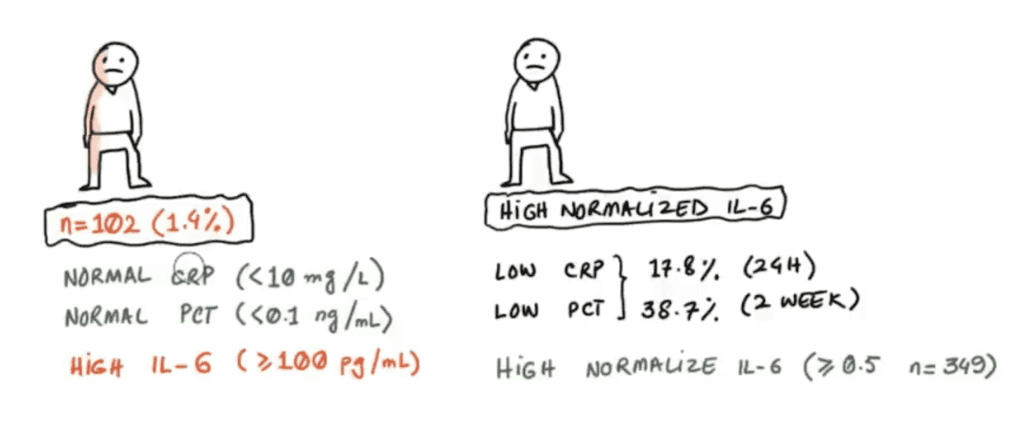
Diagram showing IL-6 study findings. Normal CRP & PCT patients show high IL-6. Low CRP & PCT patients show normalized IL-6 patterns

Long COVID: The IL-6 Signature

A January 2026 study published in Nature Immunology provided definitive evidence that Long COVID patients have sustained upregulation of chronic inflammatory pathways compared with people who fully recovered from SARS-CoV-2 infection. IL-6 emerged as one of the key differentiating markers.

Separate research from Cardiff Metropolitan University and Cwm Taf Morgannwg University Health Board identified elevated IL-6 levels in Long COVID patients compared to those who fully recovered. This finding has been replicated across multiple independent studies, establishing IL-6 elevation as one of the most consistent biomarkers in Long COVID.

Additional inflammatory markers frequently elevated alongside IL-6 in Long COVID patients include:

  • IL-1β: Another pro-inflammatory cytokine that works synergistically with IL-6
  • TNF-α: Tumor necrosis factor alpha, contributing to systemic inflammation
  • IL-8: Involved in neutrophil recruitment and inflammation

These markers together paint a picture of a sustained inflammatory state that distinguishes Long COVID from normal post-infection recovery.

Post-Vaccine Syndrome: Parallel Inflammatory Patterns

Research on Post-Vaccine Syndrome (also called Post-Acute COVID-19 Vaccination Syndrome or PACVS) reveals similar inflammatory signatures. Studies analyzing blood markers in individuals with chronic symptoms following COVID-19 vaccination have consistently identified:

  • Elevated IL-6 in over 80% of PACVS patients: A landmark German study found that more than 80% of individuals with Post-Vaccine Syndrome had increased IL-6 levels
  • Elevated IL-8: Also present in over 80% of PACVS patients
  • Altered receptor antibodies: Particularly changes in Angiotensin II type 1 receptor (AT1R) antibodies and alpha-2B adrenergic receptor antibodies

A February 2025 Yale University study on Post-Vaccination Syndrome identified similar immune dysregulation patterns, with researchers investigating IL-6 elevation alongside potential drivers including spike protein persistence, autoimmunity, tissue damage, and Epstein-Barr Virus (EBV) reactivation. Again, all things we have long known in our frontline experience treating the vaccine injured.

The Critical Finding: The combination of elevated IL-6, IL-8, and altered receptor antibodies can discriminate Post-Vaccine Syndrome from normal post-vaccination states with up to 90% accuracy, according to published research. This provides an objective diagnostic framework for a condition that has often been dismissed or misunderstood. Again, validation for patients who have been dismissed.

The Shared Pathophysiology: Why These Conditions Look So Similar

One of the most important clinical observations at Leading Edge Clinic has been the similarity between Long COVID and Post-Vaccine Syndrome presentations. We always had our hunches and detective skills telling us, but now we have research to back it: both conditions appear to involve persistent immune activation driven by similar inflammatory pathways, with IL-6 playing a central role. Vindication for us. But, more importantly, vindication for the spike portein injured.

The Spike Protein Connection

Emerging research suggests that in both conditions, the SARS-CoV-2 spike protein—whether from natural infection or vaccination—may persist longer than expected in some individuals. This persistence can trigger ongoing inflammatory responses. At the risk of sounding like a broken record… again, this is something we and many others could have definitively told anyone years ago. However, the research apparatus must confirm it via their gold standard methods!

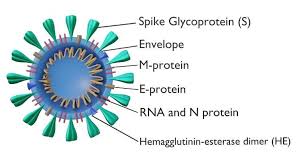
Research has found protein fragments from the COVID-19 virus hidden inside tiny cellular packages in the blood of Long COVID patients. The spike glycoprotein can:

  • Induce endothelial inflammation and dysregulate coagulation pathways
  • Alter mitochondrial function and increase reactive oxygen species
  • Promote pro-inflammatory signaling in multiple organ systems
  • Trigger sustained IL-6 production

This helps explain why both Long COVID and Post-Vaccine Syndrome share similar symptom profiles: fatigue, cognitive dysfunction, autonomic issues, and multi-system inflammation.

The Symptom Overlap

Both conditions frequently present with:

  • Chronic fatigue and malaise: The most common symptom in both conditions
  • Cognitive impairment: Brain fog, memory problems, difficulty concentrating
  • Autonomic dysfunction: POTS symptoms, orthostatic intolerance, heart rate variability
  • Peripheral neuropathy: Tingling, numbness, burning sensations; although we find this to be far more frequent in the vaccine injured population
  • Sleep disorders: Despite exhaustion, restorative sleep remains elusive
  • Gastrointestinal symptoms: Nausea, changes in bowel habits, abdominal discomfort

In fact, the majority of patients with Post-Vaccine Syndrome meet diagnostic criteria for Myalgic Encephalomyelitis/Chronic Fatigue Syndrome (ME/CFS), and many also fit criteria for POTS, fibromyalgia, and small fiber neuropathy—the same constellation seen in Long COVID.

Immune Exhaustion and Dysregulation

Beyond simple inflammation, both conditions show evidence of immune exhaustion—where certain immune cells become dysfunctional from chronic activation. This creates a paradox: patients are simultaneously hyperinflamed (elevated IL-6, IL-8) yet immunocompromised (exhausted T cells, poor response to new challenges).

The IL-6-Cancer Connection: Why This Matters for Long-Term Health

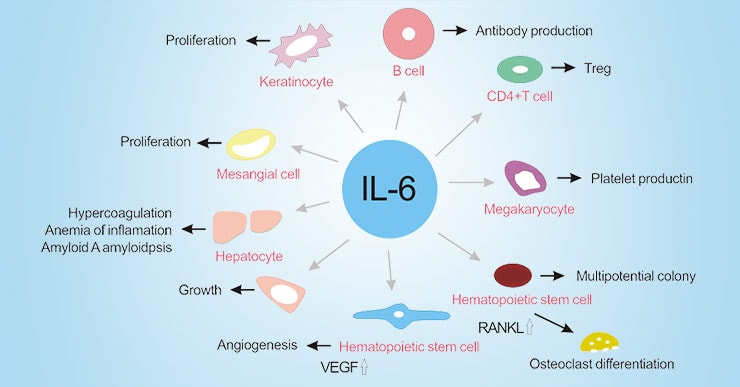
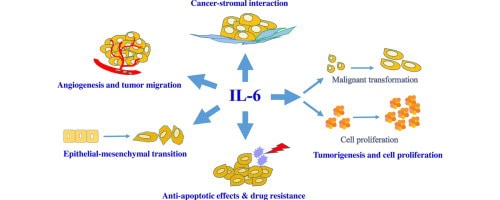
Diagram illustrating Biological effects of IL-6, including: central stromal interaction, malignant transformation, tumorigenesis and cell proliferation, anti-apoptotic effects & drug resistance, epithelial-mesynchymal transition, and angiogenesis & tumor migration

Here’s where the story becomes even more critical. The same IL-6 inflammatory pathway that’s chronically elevated in post-viral syndromes is also a well-established driver of cancer development and progression.

How IL-6 Promotes Cancer

Oncology research has established that chronic inflammation, particularly IL-6-driven inflammation, creates a pro-tumorigenic environment through multiple mechanisms:

  • Promoting cell proliferation: IL-6 activates signaling pathways (particularly STAT3) that encourage uncontrolled cell growth
  • Inhibiting apoptosis: Cells that should die (including damaged or mutated cells) survive longer (more on this in part 2 of this series, which will be released next week)
  • Promoting angiogenesis: New blood vessel formation that can feed growing tumors
  • Facilitating metastasis: IL-6 helps cancer cells invade tissues and spread
  • Suppressing anti-tumor immunity: Creates an immunosuppressive tumor microenvironment
  • Inducing cachexia: The severe weight loss and muscle wasting seen in advanced cancer

High levels of IL-6 have been associated with poor prognosis in multiple cancer types, including breast, colorectal, lung, prostate, and ovarian cancers.

The Clinical Implications

What does this mean for people with Long COVID or Post-Vaccine Syndrome who have chronically elevated IL-6?

It means that addressing chronic inflammation isn’t just about feeling better today. It is also about protecting your long-term health.

While the mainstream research apparatus does not have long-term data on whether sustained IL-6 elevation from post-viral syndromes increases cancer risk specifically (this will require years of follow-up), we do know that:

  • Chronic inflammation is an established cancer risk factor
  • IL-6 specifically promotes cancer development and progression
  • Reducing systemic inflammation reduces cancer risk in other contexts
  • Patients with Long COVID or Post-Vaccine Syndrome deserve comprehensive care that addresses both current symptoms and future health risks


Testing for IL-6 and Inflammatory Markers

One of the most important developments in post-viral syndrome care is the ability to objectively measure inflammatory biomarkers. Not necessarily for treatment purposes, as we have been able to successfully treat regardless. But, more importantly, for the validation of patients ongoing suffering. This transforms these conditions from subjective, poorly understood syndromes into quantifiable medical conditions with measurable abnormalities. That makes it much more difficult for these patients to be ignored, dismissed, or told it is in their head.

Standard Blood Tests

Some tests that can identify these issues are:

  • Serum IL-6 levels: Direct measurement of this key inflammatory cytokine
  • High-sensitivity C-reactive protein (hs-CRP): A downstream marker of IL-6 activity and systemic inflammation
  • IL-8 levels: Often elevated alongside IL-6 in post-viral syndromes
  • Erythrocyte sedimentation rate (ESR): Another general inflammation marker

Note: at Leading Edge Clinic, we don’t need to order these tests in order to treat. Over and over again, our patients come in with hallmark symptoms of systemic inflammation. We find it financially draining, and energetically draining, to ask patients to drive to their local lab and have these tests done to provide us with an answer we already know. However, tracking can be useful to understand progress.


Advanced Biomarker Panels

Some more advanced testing may include:

  • Receptor autoantibodies: Including AT1R and adrenergic receptor antibodies shown to distinguish Post-Vaccine Syndrome
  • Cytokine panels: Measuring multiple inflammatory markers including TNF-α, IL-1β, and others
  • Markers of immune exhaustion: To understand the full immune dysfunction picture
  • Free T3 thyroid hormone: Low free T3 found in over 80% of Post-Vaccine Syndrome patients
  • IgG subclass analysis: Imbalances present in over 50% of patients
  • Soluble neurofilament light chains: Marker of neurological damage, elevated in about 30% of patients

These objective markers provide validation for patients whose symptoms have been dismissed and guide targeted treatment strategies. We are more likely to order these, as they can actually guide treatment.

Targeting IL-6: Evidence-Based Treatment Strategies

Understanding that IL-6 and chronic inflammation are central to these conditions opens new therapeutic possibilities. The goal is to normalize inflammatory pathways while supporting your body’s natural healing mechanisms.

Pharmaceutical Approaches

Direct IL-6 Inhibitors:

In conventional medicine, medications like tocilizumab directly block IL-6 signaling and are FDA-approved for conditions like rheumatoid arthritis. While not yet standard of care for post-viral syndromes, research is evaluating whether these agents could benefit severe cases with markedly elevated IL-6. However, we believe there are much safer, low-cost, and more effective therapies, such as the one listed next.

Low-Dose Naltrexone (LDN):

LDN has long been a mainstay of treatment, due to its ability to modulate inflammatory pathways and reduce IL-6 production. Many patients with post-viral syndromes report symptom improvements with LDN, and it has an excellent safety profile. It acts directly on production of IL-6 in the liver.

Natural Anti-Inflammatory Interventions

Several natural compounds have demonstrated ability to reduce IL-6 production and signaling:

  • Omega-3 fatty acids (EPA/DHA): High-dose fish oil (2-4 grams daily) has been shown to reduce IL-6 and other inflammatory markers. Choose pharmaceutical-grade products to avoid contaminants.
  • Curcumin: The active compound in turmeric potently inhibits IL-6 production. Use enhanced bioavailability formulations (with piperine or liposomal delivery) at doses of 500-2000mg daily.
  • Resveratrol: Found in grape skins and Japanese knotweed, resveratrol suppresses IL-6 signaling pathways. Typical doses: 200-500mg daily.
  • Quercetin: A flavonoid with anti-inflammatory and antiviral properties that can reduce IL-6. Dose: 500-1000mg daily.
  • Green tea extract (EGCG): Epigallocatechin gallate modulates inflammatory pathways including IL-6. Dose: 400-800mg daily.
  • Specialized pro-resolving mediators (SPMs): These omega-3 derivatives actively resolve inflammation rather than just suppressing it.

Note: a lof of these therapies have blood-thinning properties. Additionally, depending on how you are presenting as a Long Covid or Post-Vaccine Syndrome patient, some of these therapies may be innapropriate (ie: if Mast Cell Activation Syndrome is indicated). We recommend working with a clinician knowledgable in spike protein conditions.


Lifestyle Interventions

  • Anti-inflammatory diet: Mediterranean-style eating rich in vegetables, fruits, olive oil, fish, nuts, and whole grains while minimizing processed foods, sugar, and inflammatory oils
  • Intermittent fasting: Time-restricted eating and intermittent fasting can promote autophagy and reduce inflammatory markers
  • Sleep optimization: Poor sleep drives IL-6 production; prioritizing restorative sleep is crucial
  • Stress management: Chronic psychological stress elevates IL-6; mind-body practices like meditation can help
  • Appropriate exercise: While overexertion worsens symptoms, appropriate gentle movement within energy limits can help regulate inflammation


Addressing Root Causes

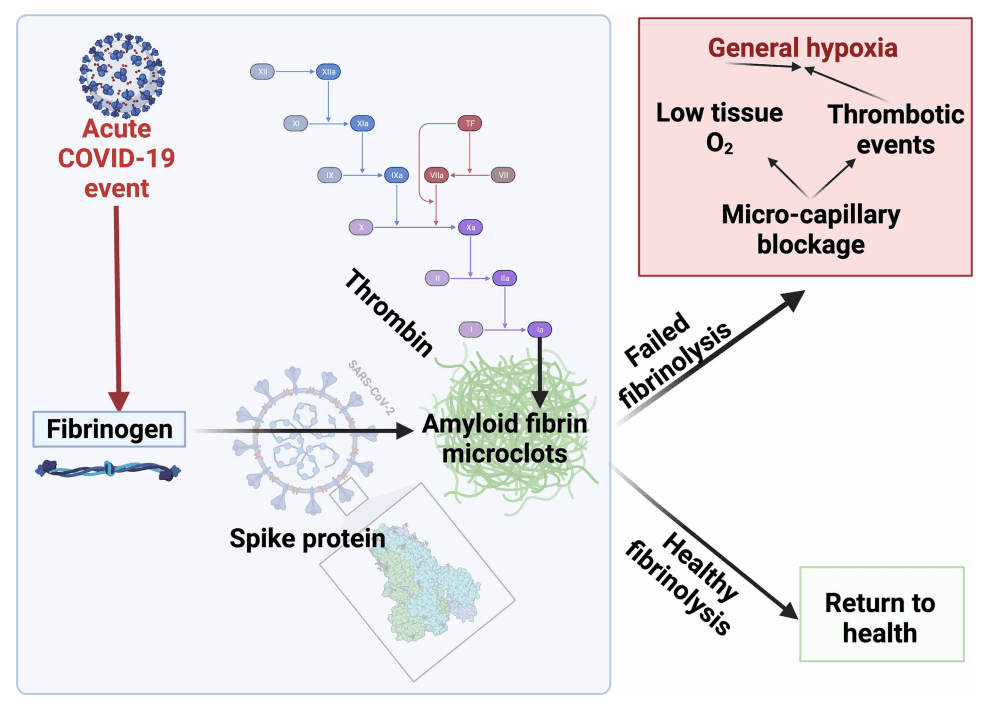
Diagram showing effect of spike protein on thrombin and fibrinogen, resulting in amyloid fibrin microclots. Downstream effects illustrated include tissue hypoxia, micro-capillary blockage, and thrombotic events

Beyond symptomatic IL-6 reduction, we must address what’s driving the chronic inflammation:

  • Spike protein clearance: There are a number of ways to potentially clear spike protein. This is tricky because of its immune evasion. It also uses commensal gut bacteria as bacteriophages, making it even more difficult to get rid of. Some ways are: supporting autophagy through intermittent fasting, certain supplements, and potentially medications like ivermectin may help clear persistent viral proteins
  • Microclot dissolution: For patients with evidence of microclotting, carefully monitored anticoagulation and/or antiplatelet strategies
  • Immune rebalancing: Using immune-modulating agents to restore normal immune function rather than simply suppressing inflammation
  • Gut microbiome restoration: The gut-immune axis plays a crucial role in systemic inflammation
  • Mitochondrial support: Addressing energy metabolism dysfunction


Cancer Prevention Considerations

Given the IL-6-cancer connection, patients with chronic post-viral syndromes should be particularly attentive to cancer prevention strategies:

Anti-Cancer Lifestyle

  • Maintain healthy body weight: Excess adipose tissue produces IL-6 and other inflammatory cytokines
  • Minimize alcohol: Alcohol increases inflammation and cancer risk
  • Minimize processed foods: Highly processed foods contribute to inflammation and cancer risk
  • Don’t smoke: Smoking dramatically increases both inflammation and cancer risk
  • Eat cruciferous vegetables: Broccoli, cauliflower, and Brussels sprouts contain compounds that support detoxification
  • Optimize vitamin D: Maintain levels between 80 ng/mL+ for immune and anti-cancer benefits


Repurposed Medications with Anti-Cancer Properties

Some medications used in post-viral syndrome treatment also have documented anti-cancer effects:

  • Metformin: Being studied for Long COVID prevention and has established anti-cancer properties
  • Ivermectin: Aside from its interference with various cell signaling pathways, its anti-inflammatory effects may provide some cancer protection
  • Low-dose aspirin: Reduces colorectal cancer risk (discuss with your physician)

Note: There are many other evidence-based repurposed drug therapies we utilize in our adjunctive cancer care practice.


Leading Edge Clinic’s Comprehensive Approach

At Leading Edge Clinic, we’ve been at the forefront of treating Long COVID and Post-Vaccine Syndrome since 2022. Our approach is built on not only scientific understanding of IL-6 and inflammatory pathways, but years of clinical experience at the frontlines treating these novel conditions

Step 1: Comprehensive Assessment

  • Detailed symptom history and timeline
  • Review of spikopathy and correlation to symptom onset and overall condition
  • If there is an appetite for testing: Comprehensive inflammatory marker testing including IL-6, IL-8, hs-CRP; receptor autoantibody panels when indicated; Thyroid function, IgG subclasses, and other relevant functional markers
  • Discussion on evidence-based treatments available

Step 2: Personalized Treatment Protocol

Based on your specific inflammatory profile and symptom presentation, we develop a targeted protocol that may include:

  • Anti-inflammatory pharmaceutical agents when appropriate
  • Evidence-based nutraceutical protocols targeting IL-6 and chronic inflammation
  • Interventions to address spike protein persistence and microclotting
  • Immune rebalancing strategies
  • Mitochondrial and metabolic support
  • Personalized lifestyle and dietary recommendations

Step 3: Ongoing Monitoring and Adjustment

  • Proactive medical staff follow-up to track symptom improvement
  • Protocol adjustments based on response
  • Long-term health optimization

Our goal isn’t just symptom management—it’s helping your body restore normal inflammatory balance and protecting your long-term health.

Why This Knowledge Matters: A Patient’s Perspective

If you’re living with Long COVID or Post-Vaccine Syndrome, understanding the IL-6 connection provides several crucial benefits:

  • Validation: Your symptoms have objective, measurable biological underpinnings. This isn’t in your head.
  • Targeted treatment: Knowing the mechanism allows for specific interventions
  • Monitoring progress: IL-6 levels can be tracked over time, if there is patient appetite for ongoing testing
  • Long-term health protection: Understanding the cancer connection motivates comprehensive anti-inflammatory strategies


Conclusion: Knowledge Is Validation

The discovery that IL-6 elevation is a shared feature of Long COVID, Post-Vaccine Syndrome, and cancer progression represents objective and measurable biological changes that patients can point to. While we have already been using this as a roadmap for effective intervention since 2022, academics now catching up provides validation for patients’ suffering.

The connection between chronic inflammation and cancer risk underscores why addressing post-viral syndromes isn’t just about quality of life today—it’s about protecting your health for years to come.

At Leading Edge Clinic, we’re committed to translating clinical observations into practical treatment protocols that make a real difference in patients’ lives, even if the research is years behind. We don’t just treat symptoms—we address the underlying inflammatory pathways driving your condition.

Take Control of Your Inflammation

If you’re experiencing persistent symptoms after COVID-19 infection or vaccination, don’t wait. Early intervention to address chronic inflammation can prevent long-term complications and improve your quality of life.

Contact Leading Edge Clinic today to schedule a comprehensive assessment and develop your personalized treatment protocol.

Our team specializes in Long COVID, Post-Vaccine Syndrome, and the inflammatory pathways that connect them. We offer telehealth consultations, making expert care accessible from anywhere.

It Is About More Than Just Inflammation

In part two of this series, we will draw the connection between IL-6 and heightened inflammatory states, to chronic Cell Danger Response. Addressing systemic inflammation is critical, but it isn’t the only piece of the puzzle. Chronic Cell Danger Response is a key factor in ongoing illness, and takes time and patience to address. Be on the lookout for this blog post on Tuesday of next week.

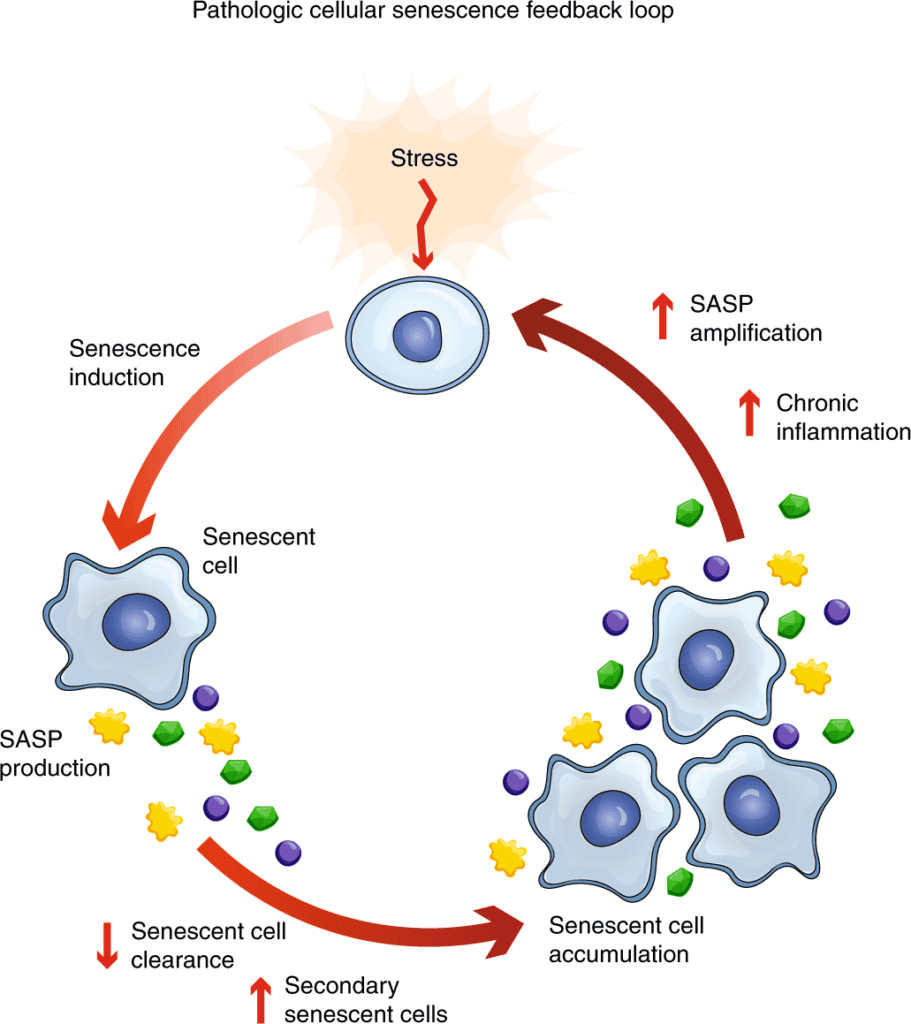
Diagram illustrating senescent cell feedback loop in chronic Cell Danger Response

Key Takeaways

  • IL-6 elevation is a consistent finding in both Long COVID and Post-Vaccine Syndrome, providing objective biomarker evidence for these conditions
  • Chronic IL-6 elevation drives the fatigue, cognitive dysfunction, and multi-system symptoms characteristic of post-viral syndromes
  • The same IL-6 pathway promotes cancer development and progression, making inflammation control crucial for long-term health
  • Testing for IL-6, IL-8, and related markers provides objective diagnosis and treatment monitoring
  • Multiple evidence-based strategies can reduce IL-6 levels, from pharmaceutical interventions to natural anti-inflammatory compounds
  • Specialized care addressing inflammatory pathways offers better outcomes than generic approaches


References and Further Reading

Key Research Sources:

Disclaimer:

This article is for educational and informational purposes only and is not intended as medical advice, diagnosis, or treatment. Always consult qualified healthcare providers for diagnosis and treatment of medical conditions. Individual responses to treatment vary, and what works for one person may not work for another. Treatment decisions should be made in consultation with healthcare providers familiar with your complete medical history. Leading Edge Clinic provides this information to empower patients with knowledge while emphasizing the importance of professional medical guidance.

Ivermectin for Cancer: Scientific Mechanisms & Clinical Outcomes (2025)

Ivermectin for Cancer: Scientific Mechanisms & Clinical Outcomes (2025)

Understanding Drug Repurposing in Modern Oncology

Cancer treatment continues to evolve beyond traditional chemotherapy and radiation. One promising frontier is drug repurposing—using established medications with known safety profiles for new therapeutic applications. Among these repurposed agents, ivermectin has emerged as a compelling option for adjunctive cancer therapy, backed by robust preclinical research and growing clinical evidence.

Originally developed as an antiparasitic medication, ivermectin earned its discoverers the 2015 Nobel Prize in Physiology or Medicine (Crump & Ōmura, 2011). Today, researchers are uncovering its potential to complement conventional cancer treatments through multiple anticancer mechanisms that target the very pathways cancer cells rely on for survival (Tang et al., 2021; Juarez et al., 2018).

What Makes Ivermectin a Promising Anticancer Agent?

The Science Behind Ivermectin's Anticancer Properties

Ivermectin’s effectiveness against cancer stems from its ability to disrupt multiple cellular processes that tumors depend on. Unlike conventional chemotherapy agents that typically target one pathway, ivermectin acts as a “multi-targeted” drug, simultaneously affecting several cancer hallmarks.

Key Mechanisms of Action


  1. Autophagy Induction Through PAK1/Akt/mTOR Pathway Blockade: One of ivermectin’s most well-documented anticancer mechanisms involves promoting cytostatic autophagy. Research demonstrates that ivermectin promotes the degradation of PAK1 (P21-activated kinase 1) through ubiquitination, which subsequently blocks the Akt/mTOR signaling pathway—a critical regulator of cell growth and survival in cancer (Dou et al., 2016; Wang et al., 2016). When this pathway is inhibited, cancer cells undergo excessive autophagy, essentially self-digesting beyond their capacity to survive. Importantly, this process preferentially affects cancer cells while largely sparing healthy tissue, as studies show ivermectin cannot significantly stimulate autophagy in normal breast cells at therapeutic concentrations (Dou et al., 2016; Wang et al., 2016).
  2. Mitochondrial Dysfunction and Energy Depletion: Cancer cells have notoriously high energy demands to fuel their rapid proliferation. Ivermectin inhibits mitochondrial complex I in the electron transport chain, dramatically reducing ATP production—the energy currency cells need to function (Tang et al., 2021). This metabolic collapse triggers oxidative stress, damages cellular components, and ultimately accelerates cancer cell death through apoptosis.
  3. Cancer Stem Cell Targeting: Perhaps one of ivermectin’s most significant advantages is its ability to target cancer stem cells (CSCs)—the subpopulation of cells responsible for tumor recurrence, metastasis, and treatment resistance. Research shows ivermectin preferentially inhibits CSC-enriched populations compared to bulk tumor cells, downregulating key stemness genes including NANOG, SOX2, and OCT4 (Dominguez-Gomez et al., 2018; Napier et al., 2020). In breast cancer studies, ivermectin demonstrated superior activity against CD44+/CD24- stem-like cell populations—the very cells that drive tumor regrowth after conventional therapy (Dominguez-Gomez et al., 2018). This CSC-targeting capacity addresses one of oncology’s greatest challenges: preventing relapse after initial treatment.
  4. WNT/β-Catenin Pathway Inhibition: The WNT signaling pathway plays a central role in cancer development, particularly in colorectal, breast, and lung cancers. Ivermectin blocks WNT-TCF pathway responses by affecting β-catenin function and phosphorylation status (Melotti et al., 2014). Studies demonstrate that ivermectin suppresses positive WNT regulators (AXIN2, LGR5, ASCL2) while promoting pathway repressors like FILIP1L (Melotti et al., 2014). This inhibition reduces cancer cell proliferation, suppresses epithelial-to-mesenchymal transition (EMT)—a process critical for metastasis—and decreases the expression of metastasis-related proteins such as vimentin and snail (Rujimongkon et al., 2025).
  5. Anti-Metastatic Effects: Metastasis accounts for approximately 90% of cancer deaths, making anti-metastatic therapies critically important. Ivermectin inhibits tumor metastasis through multiple mechanisms (Jiang et al., 2022):
    • Suppressing the Wnt/β-catenin/integrin β1/FAK signaling cascade
    • Reducing matrix metalloproteinase-9 (MMP-9) expression
    • Inhibiting cancer cell migration and invasion
    • Preventing epithelial-to-mesenchymal transition

    Animal studies confirm these findings, with ivermectin significantly reducing tumor metastasis in xenograft models without causing significant toxicity (Jiang et al., 2022):.

  6. Synergy with Standard Cancer Treatments: Ivermectin enhances the effectiveness of conventional cancer therapies. Research demonstrates synergistic effects when combined with:

    • Targeted therapies (sorafenib in hepatocellular carcinoma, osimertinib in EGFR-positive lung cancer) (Lu et al., 2022)
    • Chemotherapy agents (docetaxel, cyclophosphamide, tamoxifen, carboplatin) (Juarez et al., 2018)
    • Immune checkpoint inhibitors (pembrolizumab, balstilimab) (Yuan et al., 2022)

    These combinations often achieve superior tumor control compared to standard treatments alone, potentially at lower doses with reduced toxicity (Lu et al., 2022).

    The Evidence Base: From Laboratory to Clinical Practice

    Extensive in vitro and animal studies demonstrate ivermectin’s anticancer activity across multiple cancer types:

    • Breast Cancer: Inhibits growth through PAK1/Akt/mTOR pathway blockade, particularly effective against triple-negative breast cancer (TNBC) and hormone-resistant subtypes (Dou et al., 2016; Rujimongkon et al., 2025)
    • Lung Cancer: Induces nonprotective autophagy and apoptosis in both non-small cell lung cancer (NSCLC) and lung adenocarcinoma (Li et al., 2024)
    • Colorectal Cancer: Blocks WNT-TCF signaling, suppresses proliferation and metastasis (Melotti et al., 2014; Jiang et al., 2022)
    • Hepatocellular Carcinoma: Inhibits mTOR/STAT3 pathways, suppresses EMT, reduces stem cell marker expression (Lu et al., 2022)
    • Pancreatic Cancer: Shows synergistic efficacy when combined with metabolic therapies (Hoffman et al., 2025)
    • Ovarian Cancer: Demonstrates anti-proliferative effects through PAK1 inhibition (Hashimoto et al., 2009)


    Pharmacokinetic Considerations

    A critical question in translating laboratory findings to clinical use is whether therapeutic drug levels are achievable in humans. Studies in healthy volunteers show that ivermectin doses of 2 mg/kg produce plasma concentrations around 5-5.2 µM—levels that have demonstrated anticancer efficacy in preclinical studies (Guzzo et al., 2002; Lu et al., 2022). This suggests that clinically relevant anticancer activity is achievable within the established safety profile for parasitic infections.

    Ongoing Clinical Trials & Observational Studies

    Multiple registered clinical trials are currently investigating Ivermectin in cancer patients:

    NCT05318469: A phase I/II trial at Cedars-Sinai Medical Center evaluating Ivermectin combined with immune checkpoint inhibitors (balstilimab or pembrolizumab) in metastatic triple-negative breast cancer (Yuan et al., 2022). This study is testing whether combining Ivermectin with immunotherapy can improve tumor shrinkage and progression-free survival in one of breast cancer’s most aggressive subtypes.

    NCT02366884: A phase II trial testing “atavistic chemotherapy”—the concept that cancer cells behave like primitive organisms—using FDA-approved antimicrobial drugs including Ivermectin for advanced or metastatic cancers (Arguello Cancer Clinic, 2015).

    WCG IRB #20240731: An observational conducted by Rebuild Medicine to evaluate the impact of repurposed drugs and metabolic therapies on the outcomes of patients with cancer. Leading Edge Clinic is the sole participating clinic in this study. What is different about this study is that it does not view Ivermectin in isolation. A little more on that in the following section…

    Real-World Clinical Outcomes: Case Series from Leading Edge Clinic

    Overview of Treatment Protocol

    As mentioned, the observational study we are conducting does not look at Ivermectin in a vaccuum. Instead, Leading Edge Clinic is employing a combination of repurposed therapies, lifestyle changes, and supplements to address cancer. The goal is to cover as many signaling pathways as possible, giving patients the best chance, without putting them at risk. The following case series at Leading Edge Clinic demonstrates the real-world application of Ivermectin as part of comprehensive integrative oncology protocols in five Lung Cancer patients. All five patients received individualized combinations of:

    • Repurposed medications: Ivermectin, Mebendazole, Metformin, Propranolol, Low-Dose Naltrexone, Doxycycline
    • Metabolic interventions: Ketogenic diet
    • Natural compounds: EGCG, melatonin, curcumin, omega-3 fatty acids, high-dose vitamin D, berberine
    • Standard-of-care therapies where indicated


    Case 1: Complete Remission in ALK-Positive NSCLC

    Patient Profile: 60-year-old male with metastatic adenocarcinoma (ALK mutation)

    Presentation: Progressive weakness, cough, weight loss; diagnosed May 2024 with metastatic non-small cell lung cancer

    Treatment Approach: Alectinib (ALK inhibitor) combined with comprehensive integrative protocol including ivermectin, mebendazole, propranolol, itraconazole, metformin, ketogenic diet, and supportive supplements

    Outcomes:

    • September 2024 PET scan: Near-complete resolution of metastatic lung disease
    • December 2024: Complete lung cancer remission; concurrent kidney lesion reduced from 5.0 cm to 4.1 cm
    • Patient reduced alectinib dose due to fatigue while maintaining remission

    Split image showing before adjunctive therapy treatment, and 3 months after beginning treatment, demonstrating disappearance of extensive “black spots” seen all over patient's chest and lymph nodes in the neck. Remaining black areas in

    Clinical Significance: Complete remission rates with alectinib alone average only 4.3% in published studies. The achievement of complete remission suggests substantial contribution from the integrative protocol, particularly given dose reduction of the targeted therapy.

    Case 2: Disease Stability Without Standard Treatment

    Patient Profile: 80-year-old male with EGFR-positive NSCLC

    Presentation: Lung nodule detected during pneumonia treatment (March 2024), progressed to Stage IIIC adenocarcinoma by January 2025

    Treatment Approach: Comprehensive repurposed drug protocol WITHOUT standard-of-care cancer therapy. Included ketogenic diet, ivermectin, mebendazole, high-dose vitamin D, propranolol, low-dose naltrexone, doxycycline, and supportive compounds.

    Outcomes:

    • May 2025 PET scan: Stable lung mass (3.1 x 2.2 cm) with no new metastases over 6 months
    • No lymph node enlargement or disease progression
    • Survived 8 months since Stage IIIC diagnosis (16 months from first radiographic evidence)

    Clinical Significance: AI analysis predicted median survival under 1 year for an 80-year-old refusing standard treatment. This patient achieved disease stability exclusively through metabolic and repurposed therapies, challenging conventional expectations for elderly patients with advanced disease.

    Case 3: Stability in Aggressive Squamous Cell Lung Cancer

    Patient Profile: 86-year-old male with Stage IV squamous cell lung cancer

    Presentation: Originally Stage I disease treated with stereotactic radiation (2023); liver metastasis detected December 2024

    Treatment Approach: Ivermectin, mebendazole, high-dose vitamin D, metformin, propranolol, doxycycline, plus radiation to liver metastasis and comprehensive supplement protocol

    Outcomes:

    • June 2025 PET scan: No disease progression over 7 months
    • Patient remains active with only mild fatigue
    • Maintains quality of life despite advanced age and aggressive cancer histology

    Clinical Significance: Squamous cell lung cancer with liver metastases typically has poor prognosis. Seven months of stability in an 86-year-old patient highlights the efficacy of CSC-targeting repurposed drugs in aggressive disease.

    Case 4: Sustained Control of Multifocal EGFR-Positive Disease

    Patient Profile: 85-year-old male with Stage IV EGFR-positive adenocarcinoma

    Presentation: Persistent cough led to diagnosis April 2024 with multifocal disease involving pleura

    Treatment Approach: Osimertinib (Tagrisso) combined with comprehensive integrative protocol including ketogenic diet, ivermectin, mebendazole, high-dose vitamin D, propranolol, itraconazole, low-dose naltrexone, metformin, berberine, and full supplement regimen

    Outcomes:

    • Serial imaging August 2024-July 2025: Primary tumor and metastases reduced in size
    • Much of lymph node involvement resolved
    • No new metastases detected
    • Patient maintains independence despite pleural involvement


    Image of patient's third followup scan report demonstrating a halt in progression of disease. Third scan occurred 8 months after treatment initiation. Report reads

    Clinical Significance: EGFR inhibitors typically slow progression rather than resolve disease. The reduction in primary tumor size, resolution of lymph nodes, and absence of new metastases over 16 months demonstrates the profound contribution of metabolic and repurposed therapies.

    Case 5: Quality of Life Preservation in Aggressive Disease

    Patient Profile: 67-year-old male with biphasic lung tumor

    Presentation: Initial left lung resection June 2022; recurrence in right lung June 2023, progressive by June 2024

    Treatment History: Multiple chemotherapy regimens (Adriamycin, Taxotere, Gemzar, Navelbine) switched due to toxicities

    Current Approach: Repurposed drug protocol (ivermectin, mebendazole, low-dose naltrexone, doxycycline) with targeted radiation to six nodules, plus carboplatin/etoposide chemotherapy

    Outcomes:

    • Radiated nodules showed shrinkage
    • Untreated nodules showed growth (highlighting need for comprehensive coverage)
    • Maintained stable weight and Karnofsky performance status 70-80
    • Quality of life preserved despite aggressive disease

    Clinical Significance: This case demonstrates both the benefits and limitations of partial protocol adherence (dietary non-compliance) while highlighting how integrative approaches can preserve quality of life during necessary chemotherapy.

    Clinical Implications and Practical Considerations

    Clinical Implications and Practical Considerations

    Of five consecutive metastatic lung cancer patients:

    • One achieved complete remission (with ALK inhibitor + integrative protocol)
    • Three maintained stable disease (one with EGFR inhibitor, two exclusively with repurposed drugs)
    • One experienced mixed response with preserved quality of life despite aggressive disease

    Notably, three patients were in their 80s, a population typically excluded from clinical trials and often deemed “too frail” for aggressive treatment.

    Key Success Factors

    1. Comprehensive Metabolic Approach: All protocols included ketogenic diet or metabolic optimization, recognizing cancer’s dependence on glucose metabolism
    2. Multi-Drug Synergy: Combining multiple repurposed agents targeting different pathways (proliferation, autophagy, angiogenesis, stemness, metastasis)
    3. Individualized Dosing: Careful titration based on tolerability, with dose adjustments to minimize side effects while maintaining efficacy
    4. Close Monitoring: Serial imaging, laboratory assessments, and nursing follow-up enabled timely adjustments
    5. Patient Autonomy: Shared decision-making respected patient preferences while optimizing medical management

    Safety Profile and Adverse Effects

    Ivermectin has an established safety record from decades of use in parasitic infections. In these cancer cases, most side effects were mild and manageable:

    • Fatigue (most common, often improved with dose reduction)
    • Hypercalcemia (when using high-dose vitamin D concurrently)
    • Gastrointestinal effects (minimized with food intake and gradual titration)
    • Somnolence (with certain combinations, resolved with discontinuation)

    Serious adverse events were rare and typically related to chemotherapy rather than repurposed drugs.

    Understanding the Limitations and Need for Further Research

    While these clinical outcomes outlined in our case series are encouraging, several important limitations must be acknowledged:

    1. Small Sample Size: These five cases represent preliminary real-world evidence, not definitive proof of efficacy. We will publish findings for the hundreds of patients we have seen when the study is concluded. At that point, we hope the significant data we have generated will demonstrate proof of efficacy that can not be ignored.
    2. Multi-Drug Protocols: The simultaneous use of multiple agents makes it difficult to isolate individual drug contributions. However, we believe it is necessary to address as many cancer pathways as possible. Our goal is results for our patients, not proving any single drug’s efficacy.
    3. Selection Bias: Given this is an observational study, these patients actively sought integrative care and may differ from general populations
    4. Variable Adherence: Some patients struggled with dietary restrictions or experienced side effects requiring modifications

    The Path Forward: Rigorous Clinical Investigation

    Despite promising preliminary evidence, the oncology community needs:

    • Large-scale randomized controlled trials comparing Ivermectin-based protocols to standard care
    • Biomarker studies identifying which patients are most likely to benefit
    • Optimal dosing studies determining the most effective dose-schedule combinations
    • Mechanism validation confirming proposed mechanisms in human tumor samples
    • Safety monitoring in larger populations, especially in combination with other cancer therapies
    • Cost-effectiveness analyses evaluating the economic impact of repurposed drug strategies

    Why Ivermectin Deserves Serious Scientific Attention

    The Case for Investigation

    1. Established Safety Profile: Decades of human use provide confidence in its tolerability

    2. Multi-Targeted Activity: Affects multiple cancer hallmarks simultaneously, potentially reducing resistance development

    3. CSC Targeting: Addresses one of oncology’s greatest challenges—cancer stem cells that drive relapse

    4. Accessibility and Affordability: As a generic medication no longer under patent protection, Ivermectin could make effective cancer therapy more accessible globally

    5. Synergy with Standard Treatments: Potential to enhance effectiveness of existing therapies, possibly allowing dose reduction and decreased toxicity

    6. Preclinical Validation: Extensive laboratory evidence demonstrating anticancer mechanisms across multiple cancer types

    7. Emerging Clinical Evidence: Growing number of case reports and case series showing clinical benefit

    The Risk of Dismissal

    The oncology community faces an important decision: continue dismissing ivermectin due to lack of large trials, or pursue rigorous investigation given accumulating evidence. History shows that some of our most important cancer discoveries came from observing unexpected effects of existing drugs.

    Conclusion: A Paradigm Shift in Cancer Care?

    The evidence presented here—from molecular mechanisms to clinical outcomes—suggests that Ivermectin deserves serious consideration as an adjunctive cancer therapy. The five cases from Leading Edge Clinic demonstrate that integrative protocols incorporating Ivermectin and other repurposed drugs can achieve outcomes ranging from complete remission to stable disease control, even in elderly patients with advanced disease who might otherwise have limited options.

    These results challenge the traditional paradigm that new, expensive, targeted therapies are the only path to improved cancer outcomes. They suggest that thoughtful repurposing of existing medications, combined with metabolic interventions and careful monitoring, may offer a complementary strategy that expands the therapeutic armamentarium while potentially improving accessibility.

    However, preliminary success must be balanced with scientific rigor. While these cases provide compelling real-world evidence and hypothesis generation for future studies, they do not replace the need for randomized clinical trials. The oncology community should view this evidence not as definitive proof, but as a call to action for properly designed clinical investigations.

    For patients and healthcare providers considering Ivermectin as part of cancer treatment, several principles emerge from this analysis:

    1. Integration, not replacement: Repurposed drugs work best as part of comprehensive protocols that may include standard therapies
    2. Individualization is essential: Dosing and drug combinations should be tailored to each patient’s unique situation
    3. Close monitoring is mandatory: Regular imaging and laboratory work enable timely adjustments
    4. Realistic expectations: Not all patients will respond; success requires commitment to the full protocol
    5. Multidisciplinary care: Best outcomes involve collaboration between integrative and conventional oncology

    The story of Ivermectin in cancer care is still being written. From its origins as a Nobel Prize-winning antiparasitic to its emerging role in oncology, this drug exemplifies the potential of drug repurposing to transform how we approach cancer treatment. Whether Ivermectin becomes a standard component of cancer care will depend on the willingness of the medical community to conduct the necessary research—and on patients and clinicians continuing to share their experiences through rigorous documentation.

    What is clear from the available evidence is that Ivermectin’s anticancer mechanisms are biologically plausible, its safety profile is well-established, and preliminary clinical results are encouraging. These factors together make a compelling case for expanded investigation of ivermectin as an adjunctive cancer therapy, offering hope for more effective, accessible, and affordable cancer treatment options.

    References

    Arguello Cancer Clinic. (2015). *Atavistic chemotherapy: A study of anti-infective agents in the treatment of cancer* (Clinical trial registration No. NCT02366884). https://clinicaltrials.gov/study/NCT02366884

    Crump, A., & Ōmura, S. (2011). Ivermectin, ‘wonder drug’ from Japan: The human use perspective. *Proceedings of the Japan Academy, Series B, Physical and Biological Sciences, 87*(2), 13-28. https://doi.org/10.2183/pjab.87.13

    Dominguez-Gomez, G., Chavez-Blanco, A., Medina-Franco, J. L., Saldivar-Gonzalez, F., Flores-Torrontegui, Y., Juarez, M., Diaz-Chavez, J., Gonzalez-Fierro, A., & Dueñas-Gonzalez, A. (2018). Ivermectin as an inhibitor of cancer stem-like cells. *Molecular Medicine Reports, 17*(2), 3397-3403. https://doi.org/10.3892/mmr.2017.8231

    Dou, Q., Chen, H. N., Wang, K., Yuan, K., Lei, Y., Li, K., Lan, J., Chen, Y., Huang, Z., Xie, N., Zhang, L., Xiang, R., Nice, E. C., Wei, Y., & Huang, C. (2016). Ivermectin induces cytostatic autophagy by blocking the PAK1/Akt axis in breast cancer. *Cancer Research, 76*(15), 4457-4469. https://doi.org/10.1158/0008-5472.CAN-15-2887

    Guzzo, C. A., Furtek, C. I., Porras, A. G., Chen, C., Tipping, R., Clineschmidt, C. M., Sciberras, D. G., Hsieh, J. Y., & Lasseter, K. C. (2002). Safety, tolerability, and pharmacokinetics of escalating high doses of ivermectin in healthy adult subjects. *Journal of Clinical Pharmacology, 42*(10), 1122-1133. https://doi.org/10.1177/009127002401382731

    Hashimoto, H., Messerli, S. M., Sudo, T., & Maruta, H. (2009). Ivermectin inactivates the kinase PAK1 and blocks the PAK1-dependent growth of human ovarian cancer and NF2 tumor cell lines. *Drug Discoveries & Therapeutics, 3*(6), 243-246.

    Hoffman, R. M., Han, Q., Murakami, T., Xu, M., Zhao, M., Bouvet, M., Yano, S., & Sugisawa, N. (2025). Ivermectin combined with recombinant methioninase (rMETase) synergistically eradicates MiaPaCa-2 pancreatic cancer cells. *Anticancer Research, 45*(1), 97-101. https://doi.org/10.21873/anticanres.16807

    Jiang, L., Wang, P., Chen, L., Chen, H., Sun, Y. J., & Wu, Y. J. (2022). Ivermectin inhibits tumor metastasis by regulating the Wnt/β-catenin/integrin β1/FAK signaling pathway. *American Journal of Cancer Research, 12*(10), 4425-4442.

    Juarez, M., Schcolnik-Cabrera, A., & Dueñas-Gonzalez, A. (2018). The multitargeted drug ivermectin: From an antiparasitic agent to a repositioned cancer drug. *American Journal of Cancer Research, 8*(2), 317-331.

    Kory, P. (2025). Case series of metastatic lung cancers treated with combination repurposed drug regimens. *Pierre Kory’s Medical Musings*. https://pierrekorymedicalmusings.com/p/case-series-of-metastatic-lung-cancers-eeb

    Li, M. Y., Zhang, J., Lu, X., Zhou, D., Deng, X. F., Liu, Q. X., Dai, J. G., & Zheng, H. (2024). Ivermectin induces nonprotective autophagy by downregulating PAK1 and apoptosis in lung adenocarcinoma cells. *Cancer Chemotherapy and Pharmacology, 93*(1), 41-54. https://doi.org/10.1007/s00280-023-04589-6

    Lu, Y., Li, C., Li, L., Wei, Q., Liu, Y., Zhou, P., Yang, X., Chen, L., Zhou, L., Liu, F., & Xiong, B. (2022). Ivermectin synergizes sorafenib in hepatocellular carcinoma via targeting multiple oncogenic pathways. *Pharmacology Research & Perspectives, 10*(3), e00954. https://doi.org/10.1002/prp2.954

    Marik, P. E. (2024). *Cancer care: Repurposed drugs & metabolic interventions in treating cancer* (2nd ed.). Independent Medical Alliance. https://imahealth.org/research/cancer-care/

    Melotti, A., Mas, C., Kuciak, M., Lorente-Trigos, A., Borges, I., & Ruiz i Altaba, A. (2014). The river blindness drug ivermectin and related macrocyclic lactones inhibit WNT-TCF pathway responses in human cancer. *EMBO Molecular Medicine, 6*(10), 1263-1278. https://doi.org/10.15252/emmm.201404084

    Napier, K. J., Scheerer, M., & Misra, S. (2020). Esophageal cancer: A review of epidemiology, pathogenesis, staging workup and treatment modalities. *World Journal of Gastrointestinal Oncology, 6*(5), 112-120. https://doi.org/10.4251/wjgo.v6.i5.112

    Rujimongkon, K., Adchariyasakulchai, P., Meeprasertskul, P., & Ketchart, W. (2025). Ivermectin inhibits epithelial-to-mesenchymal transition via Wnt signaling in endocrine-resistant breast cancer cells. *PLOS ONE, 20*(6), e0326742. https://doi.org/10.1371/journal.pone.0326742

    Tang, M., Hu, X., Wang, Y., Yao, X., Zhang, W., Yu, C., Cheng, F., Li, J., & Fang, Q. (2021). Ivermectin, a potential anticancer drug derived from an antiparasitic drug. *Pharmacological Research, 163*, 105207. https://doi.org/10.1016/j.phrs.2020.105207

    Wang, K., Gao, W., Dou, Q., Chen, H., Li, Q., Nice, E. C., & Huang, C. (2016). Ivermectin induces PAK1-mediated cytostatic autophagy in breast cancer. *Autophagy, 12*(12), 2498-2499. https://doi.org/10.1080/15548627.2016.1231494

    Yuan, J., Wang, L., & Chen, X. (2022). *Ivermectin and balstilimab or pembrolizumab in treating patients with metastatic triple-negative breast cancer* (Clinical trial registration No. NCT05318469). https://clinicaltrials.gov/study/NCT05318469

    *Disclaimer: This article is for educational purposes only and should not be construed as medical advice. Cancer treatment decisions should be made in consultation with qualified oncology professionals. The case studies presented represent individual experiences and outcomes may vary. Patients should never discontinue or modify standard cancer treatments without consulting their healthcare team.*


    Opus Health logo

    Leading Edge Clinic has partnered with Opus Health to help patients unlock HSA/FSA funds and save on care.

    Click this popup to learn more